




After more than a decade of conflict and economic decline, Yemen’s health system remains under enormous pressure. According to the 2026 Yemen Humanitarian Needs and Response Plan (HNRP), more than 22 million people require humanitarian assistance, while only 59.3 per cent of health facilities are fully functional across the country. The health system continues to struggle with shortages of trained personnel, medicines, equipment, and funding.
Women and children bear the brunt of these challenges. More than 2.2 million children under five are acutely malnourished, while an estimated 1.3 million pregnant and breastfeeding women are expected to suffer from malnutrition in 2026. Many communities, particularly in rural Taiz Governorate, continue to face significant barriers to accessing quality maternal and reproductive healthcare.
For women living in remote villages, the absence of nearby health services can mean delayed treatment, unsafe deliveries, and preventable complications for both mothers and newborns. Women living in the rural communities in Taiz Governorate faced a difficult choice whenever complications arose during pregnancy or childbirth: undertake a long and costly journey to a distant hospital or give birth with little access to skilled medical care.
Yaman, a midwife at the 26 September Health Centre in Salah district, reflects both the challenges facing Yemen’s health system and the transformative impact of strengthening local health services. When Yaman first began working at the 26 September Health Centre, conditions were extremely challenging. “There were no chairs, no tables, and very few services,” she recalls. “We used to sit on the floor with our patient registers and provide services using whatever resources we had available.”
At the time, the facility could only provide limited family planning counselling, basic health advice, and simple first aid services. Equipment for safe deliveries, emergency obstetric care, and reproductive health services was largely unavailable. Women experiencing complications often had to be referred to hospitals many kilometers away. For families living in remote areas, reaching those hospitals was often difficult or impossible because of transportation costs and the long distances involved.
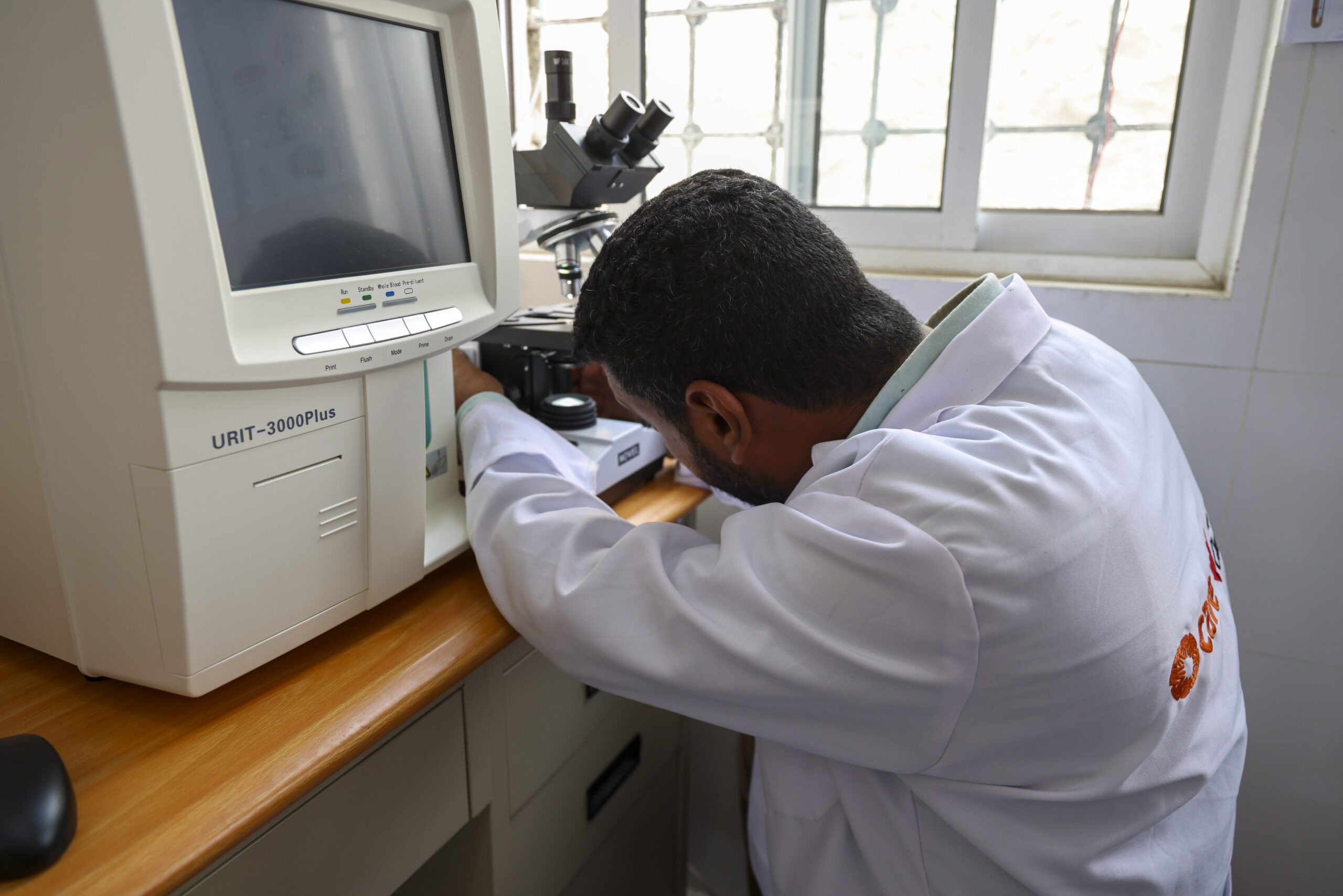
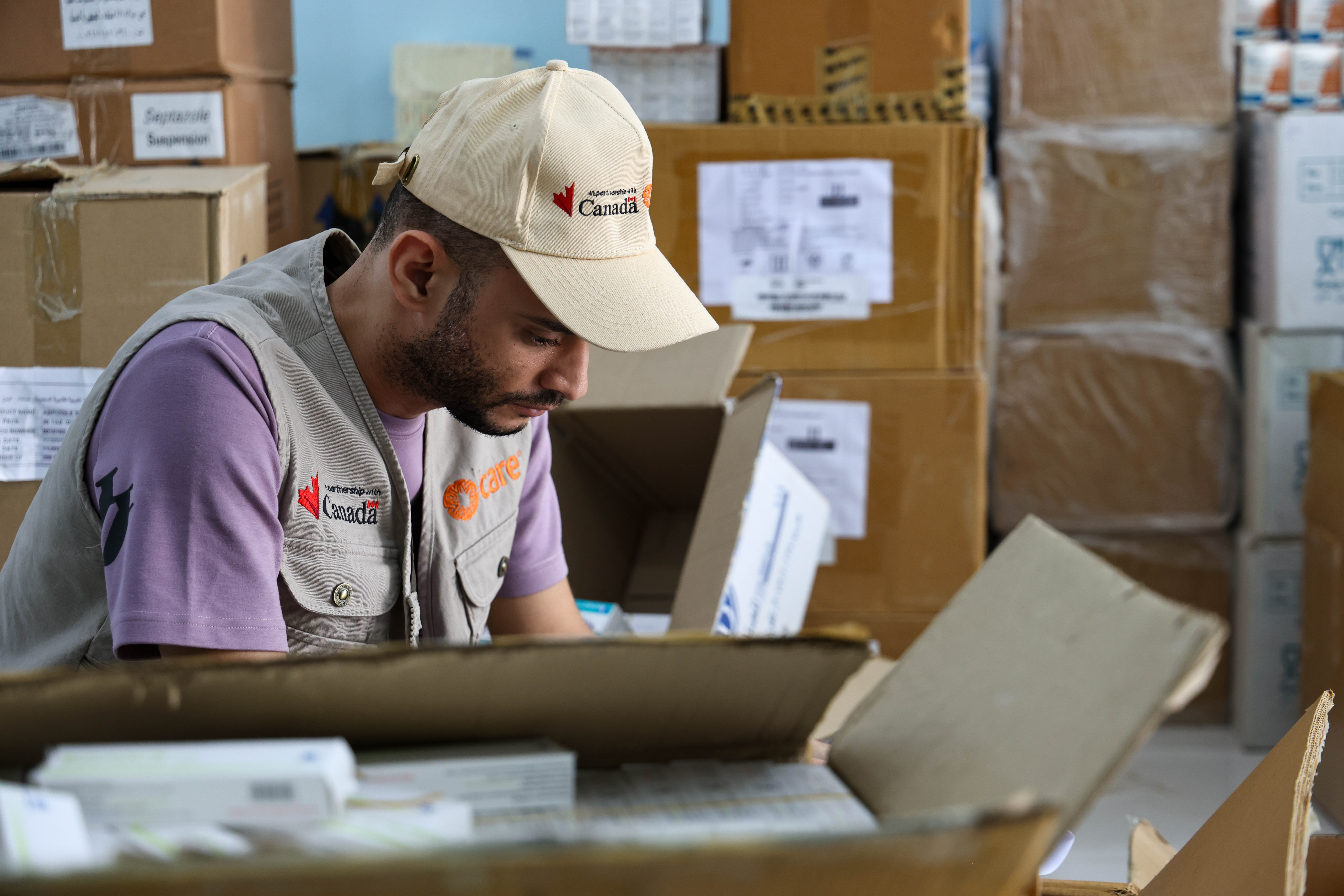
With support from Global Affairs Canada (GAC), CARE implemented the Multi-Sectoral Humanitarian Response Targeting Internal Displace Persons (IDPs), Returnees and Host Communities in Yemen 2024–2026 project. Through this initiative, CARE rehabilitated and comprehensively equipped the 26 September Primary Health Care Center in Salah district, transforming it into a functional health facility capable of delivering quality, life-saving primary healthcare, reproductive health, and nutrition services for vulnerable populations, including internally displaced persons, returnees, and host communities. The project introduced a comprehensive package of support that included training, supervision, medical equipment, reproductive health supplies, delivery kits, and essential medicines.
For Yaman, the most significant change came through professional training. Although she had previously studied midwifery and possessed practical experience, she had limited opportunities to receive specialized clinical training.
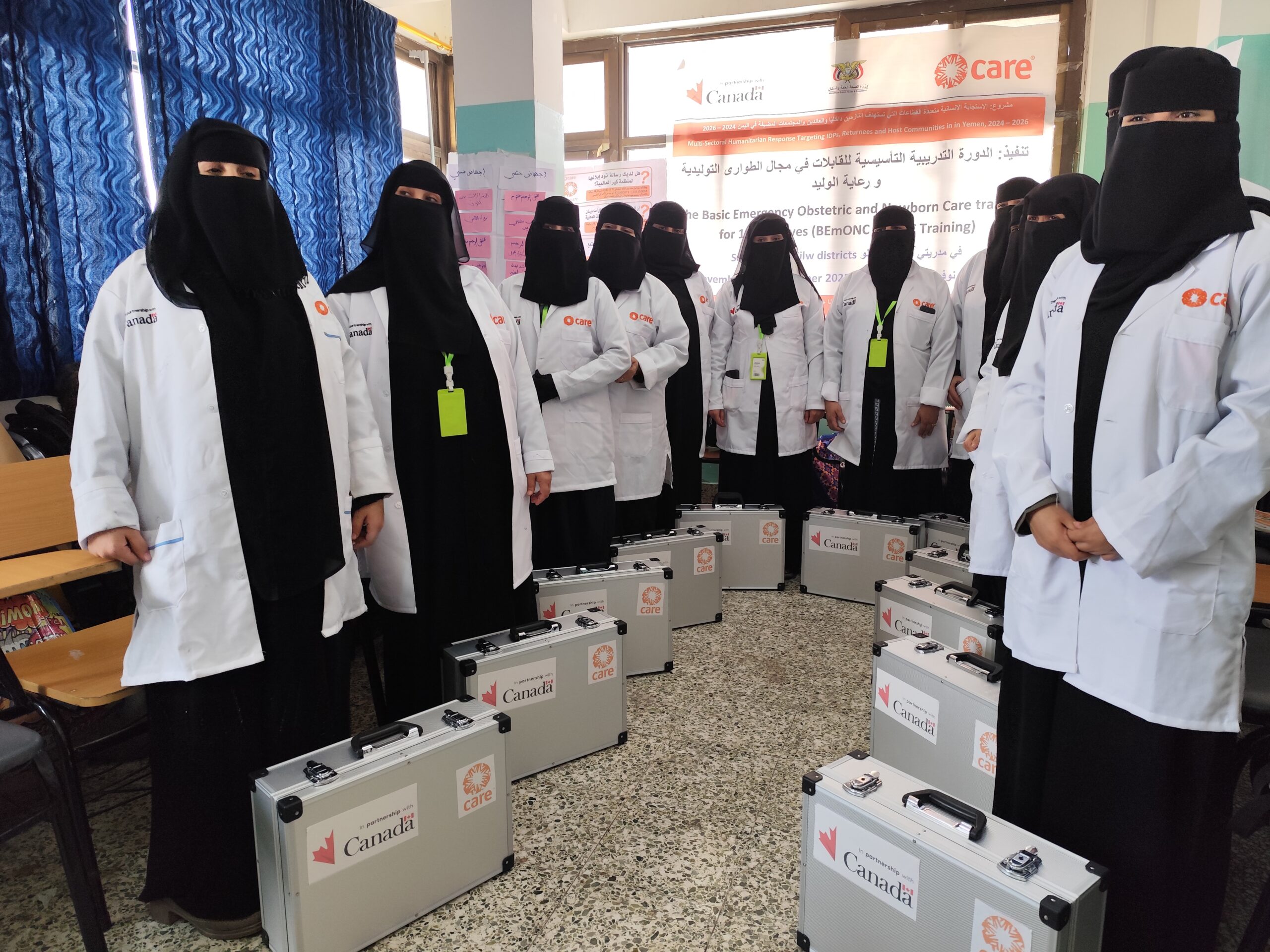
“The training strengthened my confidence tremendously,” she says. “Today I can provide family planning services and manage deliveries with much greater confidence.” Specialized training in reproductive health, emergency obstetric care, family planning, nutrition counselling, and psychological support significantly enhanced the skills of health workers. Regular supportive supervision further reinforced learning by providing mentoring and practical guidance during service delivery.
The project also supplied delivery kits, sterilized instruments, blood pressure monitors, newborn resuscitation equipment, and other critical tools that enabled midwives to apply their newly acquired skills safely and effectively.