“When we started, the center was only walls, a roof, and a floor,” recalls Dr. Omar, director of the 26 September Health Centre. “We had no furniture, no medical equipment, no medicines, and no laboratory capacity. Even our staff were working voluntarily because there was simply no support available.”
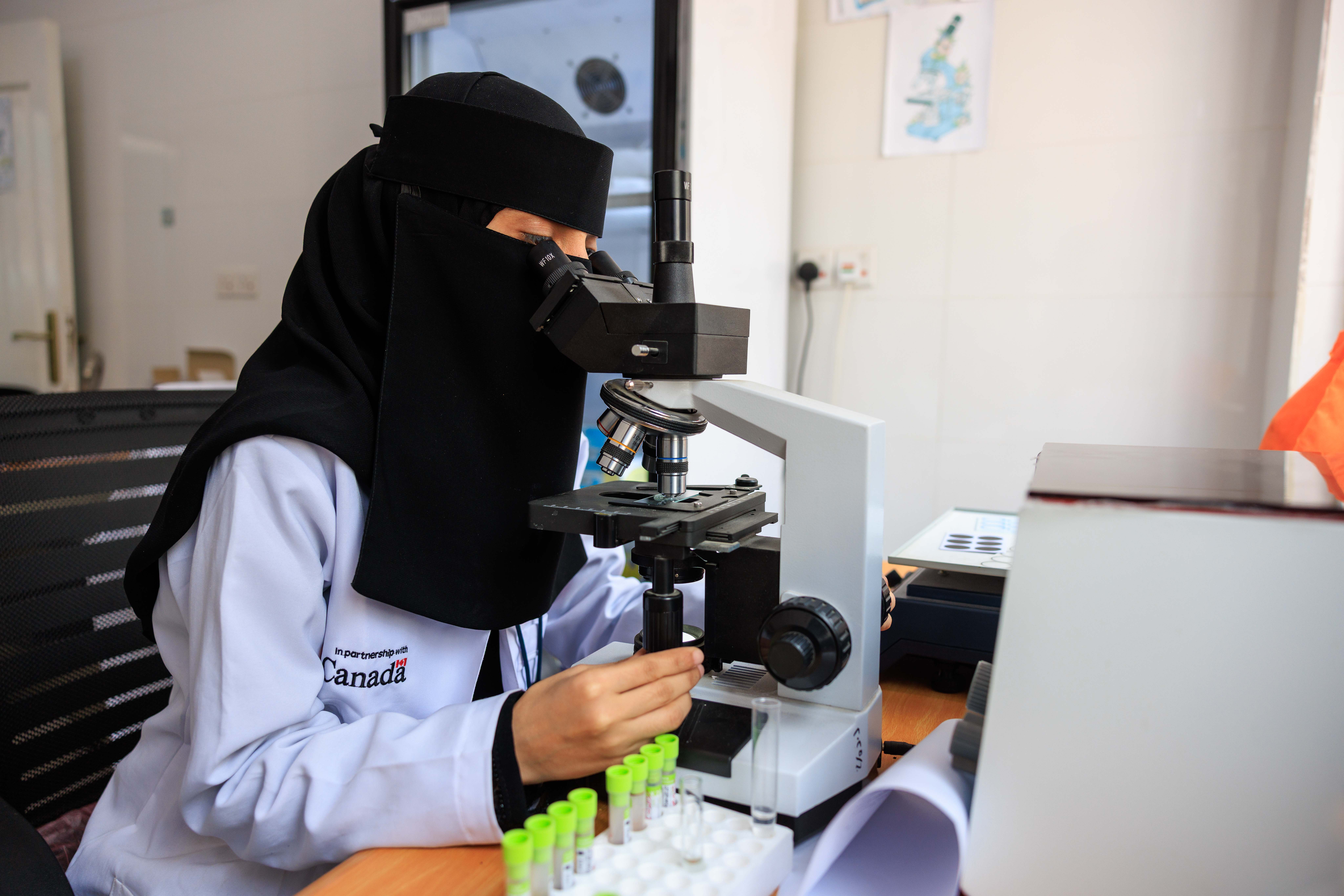
The situation was so difficult that laboratory staff had to borrow a microscope from a local resident to conduct basic tests. Patient records were written on improvised sheets of paper because standard registration materials were unavailable. Women arriving for consultations often left disappointed because the facility lacked the equipment needed for examinations and diagnosis.
Many patients delayed seeking care until illnesses became severe. Mothers faced risks when maternal and reproductive health services were unavailable nearby. Some families chose to remain at home despite sickness because they could not afford transport or feared travelling through insecure areas.
With support from Global Affairs Canada (GAC), CARE implemented the Multi-Sectoral Humanitarian Response Targeting IDPs, Returnees and Host Communities in Yemen 2024–2026 project. Through this initiative, CARE rehabilitated and comprehensively equipped the 26 September Primary Health Care Center in Salah district, transforming it into a functional health facility capable of delivering quality, life-saving primary healthcare, reproductive health, and nutrition services for vulnerable populations, including internally displaced persons, returnees, and host communities.
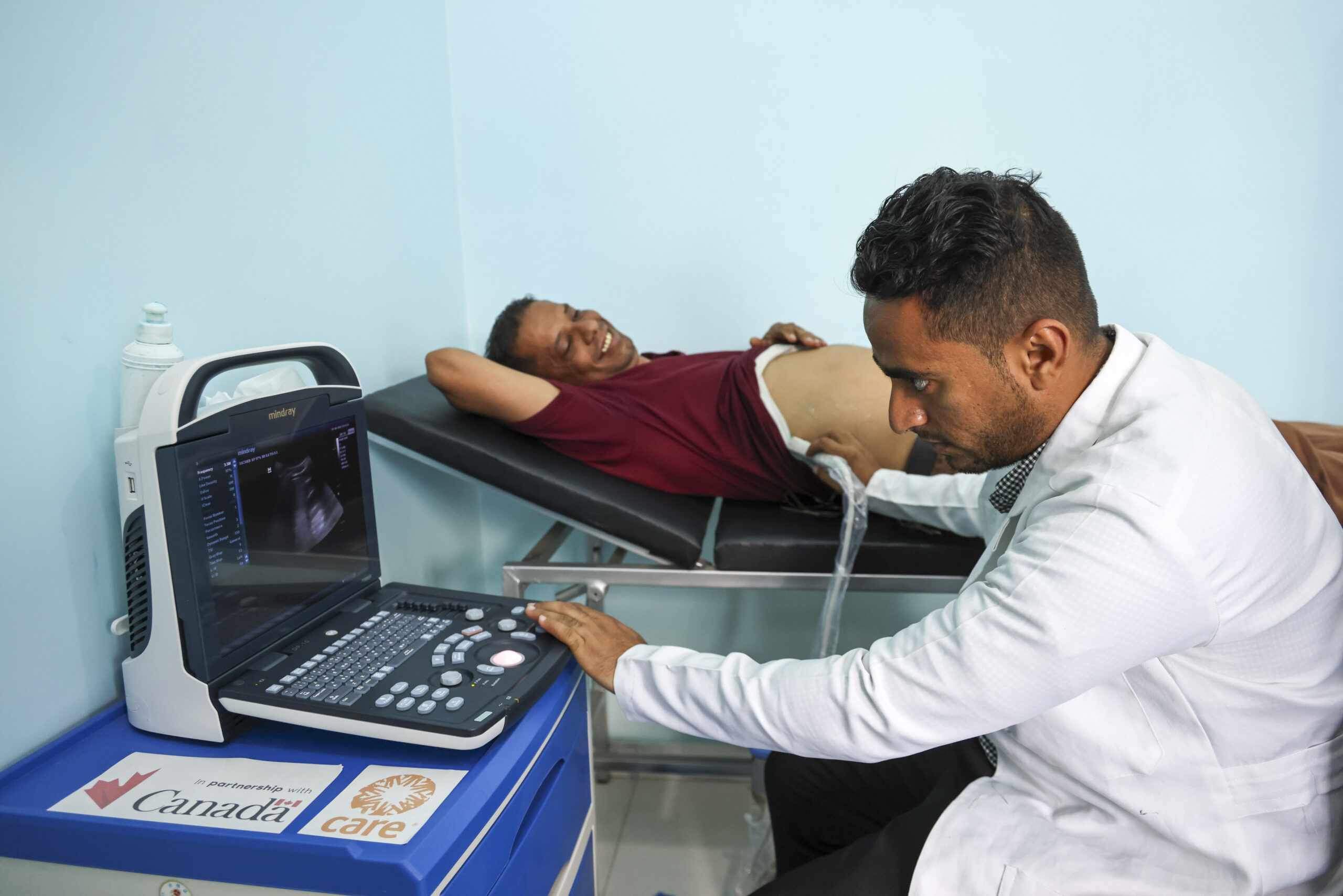
The health center received essential medicines, medical equipment, laboratory supplies, furniture, solar-power systems, cold-chain equipment, and operational support. Health workers also benefited from professional training and supportive supervision, strengthening both their technical skills and confidence.
“The project completely changed the identity of the center. It provided medicines, equipment, furniture, laboratory materials, and incentives that allowed us to function properly. It brought smiles back to the faces of both patients and health workers,” says Dr. Omar.
The project also invested in capacity building. Training in integrated reproductive and maternal healthcare enabled staff to deliver higher-quality services and respond more effectively to community needs. Health workers who previously possessed academic qualifications but limited practical training gained new competencies that improved patient care.
Before the intervention, few people visited the health facility, and many never returned after their first visit. Today, the center receives patients from surrounding villages and neighboring communities who actively seek care there because of the quality and reliability of the services available.
One woman shared with her experience with the health workers, explaining how she previously kept sick family members at home because obtaining medical care was too difficult and expensive. After receiving treatment and health education at the center, she became more proactive about her family’s health and encouraged others in her community to utilize the available services.
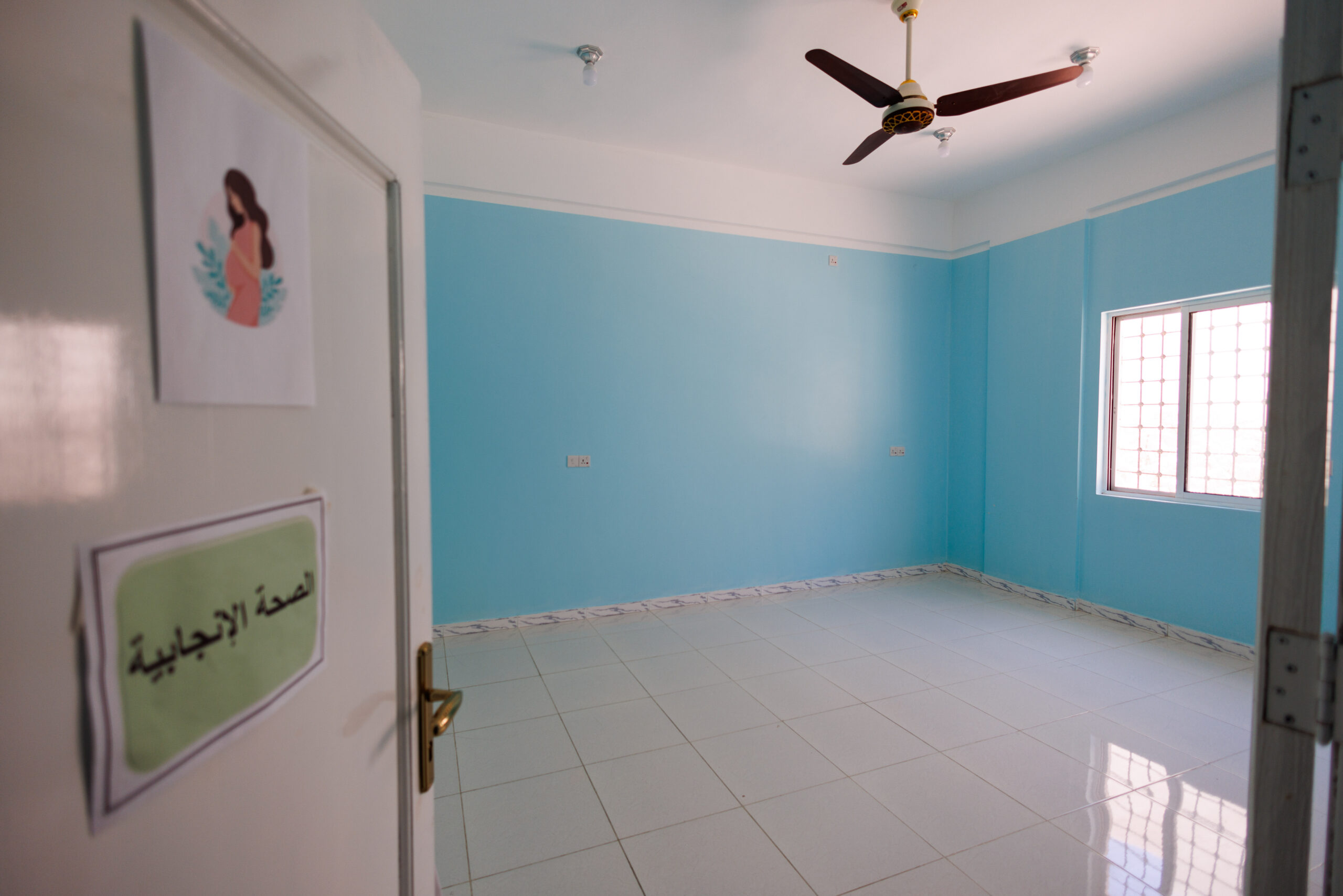
The restored facility now offers patients a safe and dignified environment, including improved privacy and confidential consultations, an important factor for women seeking reproductive healthcare.
Today, the center serves women, children, and vulnerable families from across the district, providing essential reproductive health, maternal and child health, family planning, health education, and laboratory services. The transformation reflects the profound impact that humanitarian health investments can have in communities living on the frontlines of Yemen’s prolonged crisis.
In a country where millions still struggle to access essential health services and nearly 40 per cent of facilities are only partially functional or completely non-functional, strengthening local health centers offers one of the most effective ways to save lives and build resilience.