

icon icon icon icon icon icon icon

Finally a Safe Delivery for Amal After Years of Painful Loss

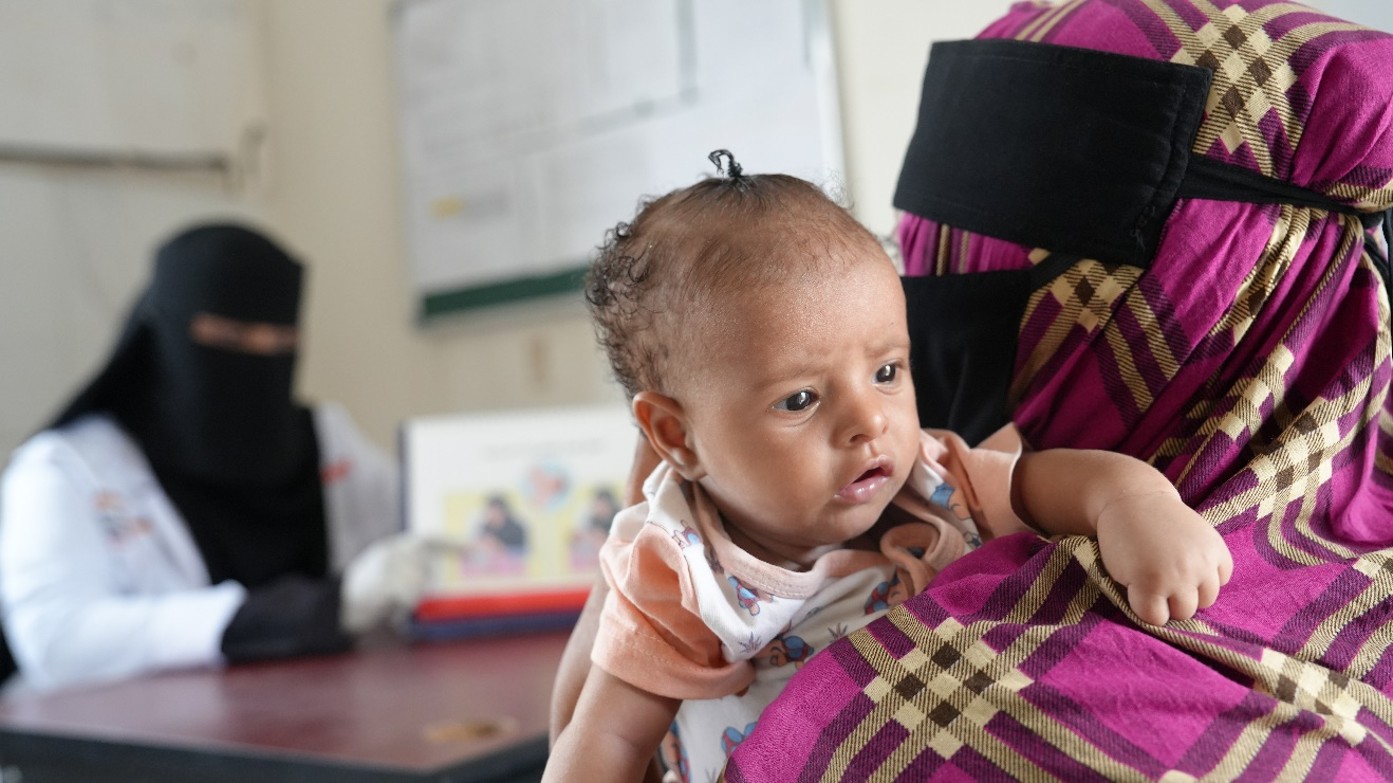
Amal received postnatal counseling on exclusive breastfeeding, newborn nutrition, and the importance of immunization, Lahj. Photo: Bassam Saleh/CARE

Amal received postnatal counseling on exclusive breastfeeding, newborn nutrition, and the importance of immunization, Lahj. Photo: Bassam Saleh/CARE

In Yemen, giving birth can be a matter of life and death, especially for displaced mothers. Amal’s* story reflects not only the harsh daily realities faced by thousands of women but also the transformative power of safe, accessible health services. Her experience marks a milestone: hers was the first delivery to take place at Albaytra Health Facility in over three years.

For many displaced women, motherhood is not just a blessing, it’s a daily struggle for survival. Amal, now a 30-year-old mother of four, once lived a stable life in Taiz, filled with hope. Before the conflict, her husband used to have a source of income, and she devoted herself to caring for their young children. But four years ago, war forced them to flee. They resettled in Albaytra village, Tuban District, Lahj Governorate, where life quickly became more difficult. Like many displaced families, Amal was left without support after her husband had to shift to another governorate in search of work, only being able to visit them once in a while, leaving her alone to care for the children with no steady source of support or protection.

In the harsh reality of displacement, even the most basic health services become a luxury. Amal had no access to reproductive health care or family planning counseling. Over the next four years, she found herself pregnant three times, not by choice, but because she lacked the information and means to prevent it.
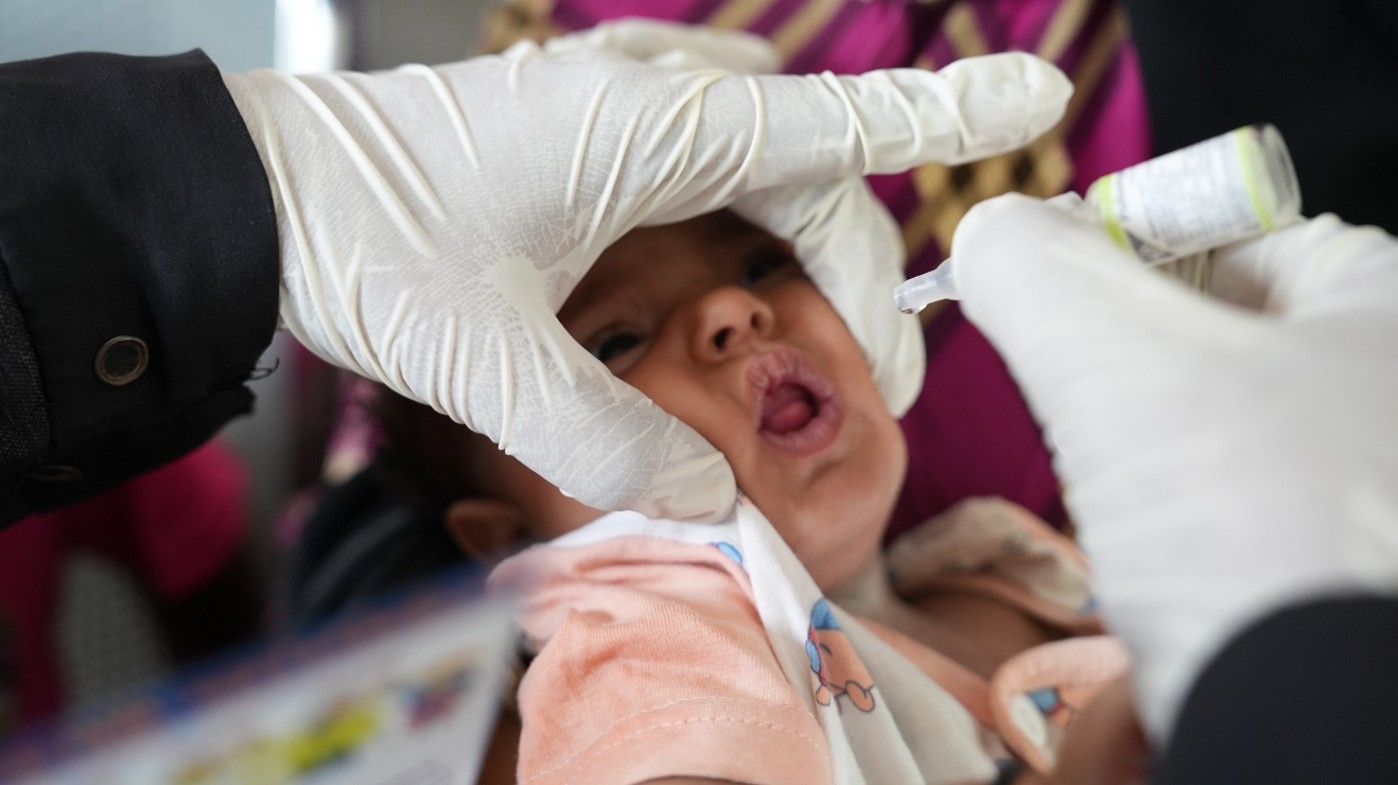
Amal's baby is vaccinated by a health team in Albaytra Health Facility, Lahj, Yemen. Photo: Bassam Saleh/CARE

When she gave birth to her fourth child about two and a half years ago, she had no money to seek care at a health facility. She was forced to deliver at home, alone. There was no midwife. No medicine. No safety net.

Amal suffered postpartum bleeding, something she had never experienced in her earlier pregnancies. Her newborn, who was never adequately breastfed and received no vaccinations, quickly fell into malnutrition. As she struggled to care for her sick, undernourished baby, Amal discovered, while her infant was still less than a year old, that she was pregnant again. The emotional and physical toll was immense. She was still recovering from childbirth, exhausted and in pain, yet had to carry a new pregnancy while watching her fragile baby grow weaker by the day. With no one to support her and no access to health services, she lived in constant fear and helplessness. Eventually, her malnourished child passed away in her arms, a loss that shattered her. Amal was overwhelmed by grief, guilt, and a deep sense of isolation. The news of another pregnancy did not bring any relief, but rather dread. Haunted by trauma, she carried the new life inside her with anxiety and silence.

Amal heard about the restoration of delivery services at Albaytra Health Facility. With support from German Federal Foreign Office (GFFO), CARE intervened through the project, Health, Food Security, WASH, Shelter and Protection for Conflict-affected Internally Displaced Persons and Host Communities in Yemen. After years of closure, the facility reopened its doors to expecting mothers, now equipped with clean delivery kits, trained midwives, and essential supplies. Most importantly, the services are provided free of charge.

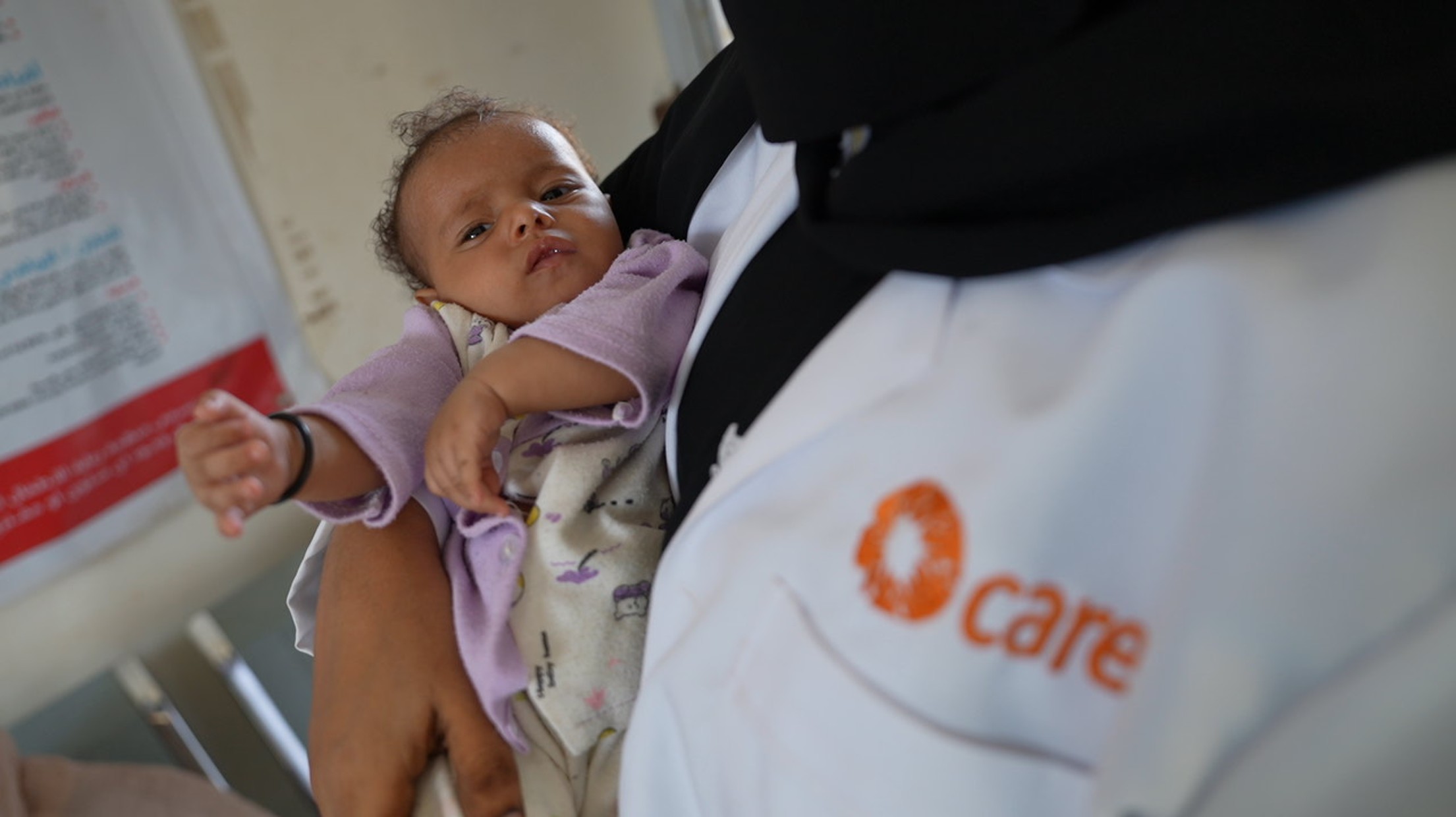
Amal's child receives support in Albaytra Health Facility, Lahj, Yemen. Photo: Bassam Saleh.

Encouraged by the possibility of a safe delivery and the presence of a compassionate midwife, Amal gathered her courage and visited the facility. There, she received regular antenatal counseling, emotional support, and reassurance, something she had never experienced in her previous pregnancies.

When the time came to give birth, Amal was no longer alone. With the support of the midwife and health staff, she delivered safely at the health facility with no complications. Her newborn was healthy. And for the first time in years, Amal felt relief and hope, knowing her child had a real chance at life.

Amal received postnatal counseling on exclusive breastfeeding, newborn nutrition, and the importance of immunization. Having lost her previous baby to malnutrition and preventable disease, this support meant everything.

She followed recommended breastfeeding practices and brought her newborn to the health facility for routine vaccinations, free of charge. “I never knew how critical breastfeeding and vaccines were,” says Amal. She was also offered family planning counseling, empowering her to make informed decisions about her reproductive health. For the first time since displacement, she had the tools to protect her own well-being and her family’s future.

Through the support to Albaytra Health Facility, CARE didn’t just restore medical services, it restored dignity, safety, and trust in a place where these had long been lost. CARE helps women like Amal ensuring free access to skilled care, lifesaving counseling, and essential health services.


*Name changed to protect identities.

Back to Top