




Ahdah village in Dhubhan sub‑district, Taiz Governorate, is a close‑knit rural community where most households rely on small plots of land and seasonal farming around their homes. While agriculture remains central to daily life, limited technical knowledge, declining yields, and economic pressures have made it increasingly difficult for families, especially women‑headed households, to meet their basic food needs.
According to the Yemen Humanitarian Needs and Response Plan (HNRP) 2026, 18.3 million people across Yemen are acutely food insecure, while 5.8 million are facing emergency levels of hunger. Rural households that rely on agriculture, particularly women‑headed families, are among the most affected as coping mechanisms continue to collapse.
For Eqbal, a 42‑year‑old widow and mother of two teenage daughters, food insecurity is a daily reality. She lost her husband several years ago and has since carried full responsibility of providing for her family. With two minor daughters under the age of 17, she must cover food, clothing, healthcare, and school supplies with very limited resources.
“Our living conditions are very difficult,” Eqbal says. “After my husband passed away, it became hard just to manage day by day.” Before receiving support, she relied on small‑scale, traditional farming practices that produced little yield. Despite the effort she invested, the harvest often did not meet her family’s needs.
To address the growing food insecurity in Al‑Shamayateen District, CARE implemented the Life‑Saving Emergency Livelihood Assistance for Conflict‑Affected and Vulnerable Populations project funded by the Yemen Humanitarian Fund (YHF).
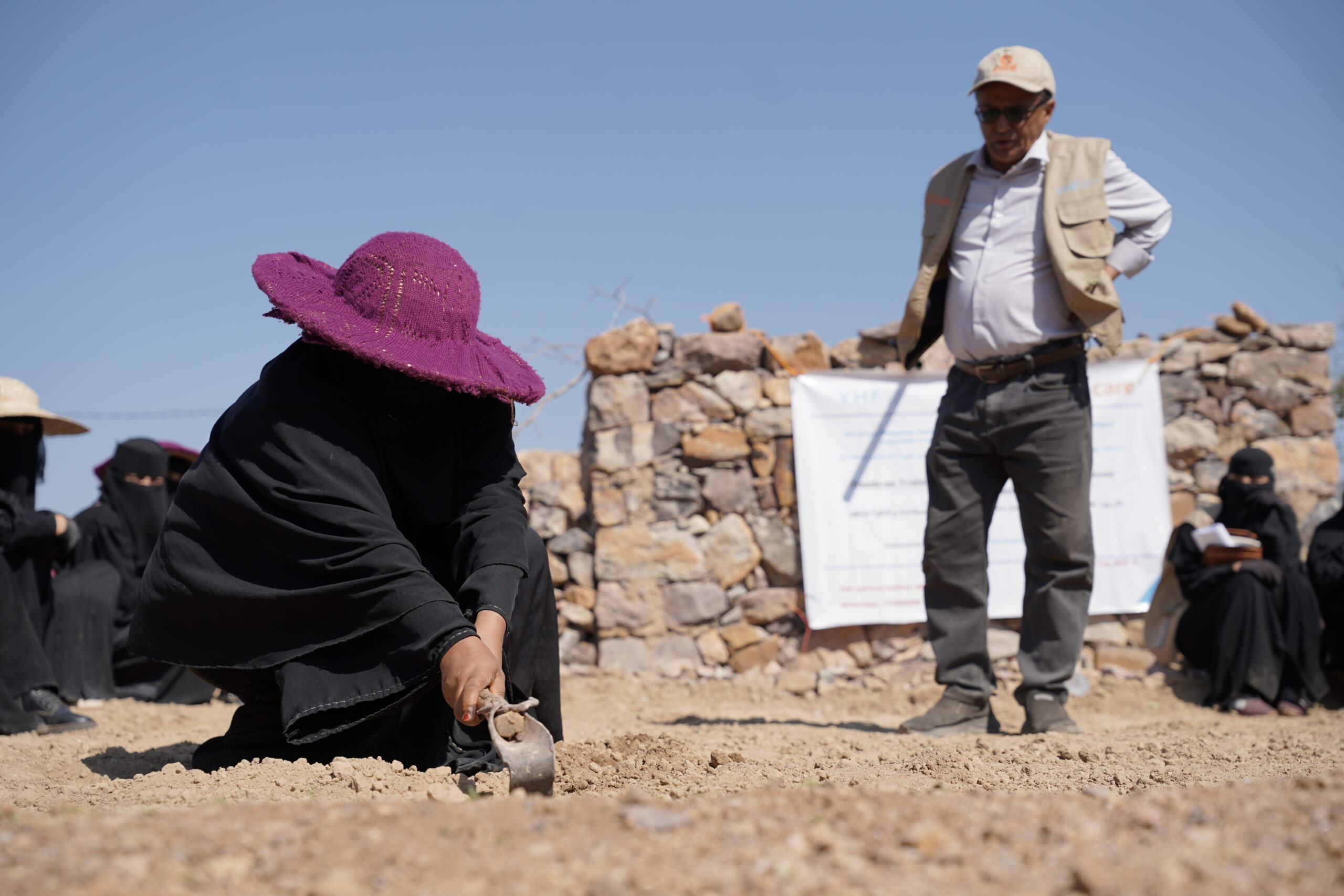
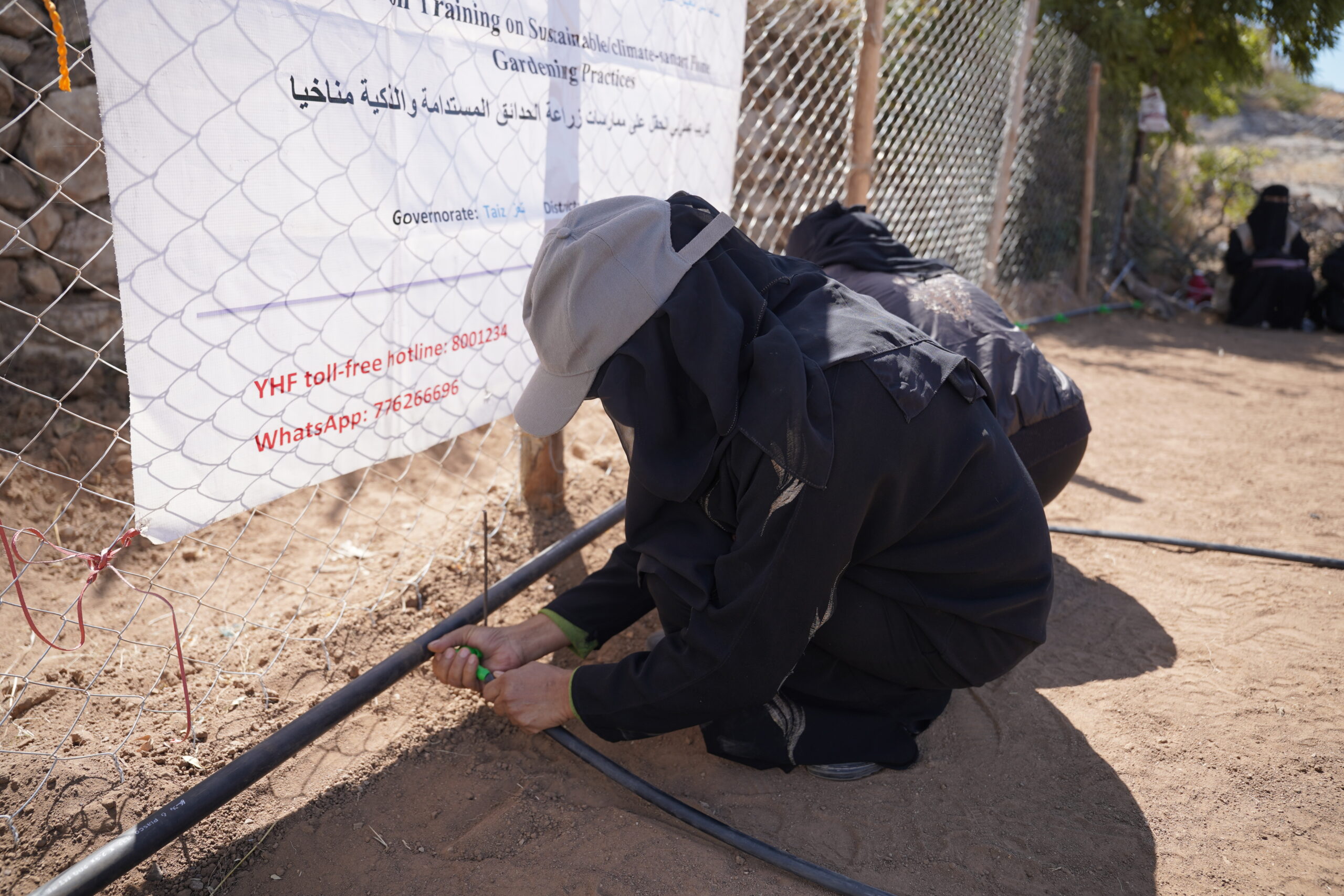
As part of the Home Gardening activity, CARE targeted 293 vulnerable households across Dhubhan sub‑district, including 106 households in Ahdah village. The intervention combined immediate support with longer‑term livelihood solutions through training on modern and sustainable agricultural practices, distribution of vegetable seeds, including zucchini, tomatoes, and chili, provision of complete drip irrigation systems to conserve water, and three rounds of cash assistance to help families meet basic needs during the agricultural cycle.