




According to the Yemen Humanitarian Needs and Response Plan (HNRP) 2026, more than 22 million people require humanitarian assistance, with 18.3 million facing acute food insecurity. Additionally, over 2.2 million children under five suffer from acute malnutrition, alongside 1.3 million pregnant and breastfeeding women.
In rural communities across Taiz Governorate, daily survival has become increasingly difficult as families face rising food prices, limited income opportunities, and restricted access to health services. For many households, even necessities such as bread, medicine, and fuel have become unaffordable, forcing families into impossible choices between food, health care, and other essential needs.
Sahar, a 38‑year‑old mother of six, lives with her family in a small room no larger than four square meters in Al‑Mawaset District, Taiz Governorate. Her husband works as a motorcycle driver for rent, earning a minimal and unstable daily income, often barely enough to buy a small amount of flour to feed the family.
The family’s situation was further complicated by health challenges. Sahar’s eldest son suffers from chronic eye disease, while her youngest child faces acute malnutrition, a condition that requires consistent access to nutritious food and medical care, both of which were beyond the family’s means.
To cope, Sahar worked intermittently helping women in neighboring households for very small pay. Despite their combined efforts, the family often relied on only one meal per day and sometimes went for days without food. “We used to argue every day about how to cover household expenses. Even if we worked all day, what we earned was barely enough for one day,” Sahar recalls.
Access to healthcare was equally challenging. With mounting debts to local pharmacies, even basic medication became inaccessible.
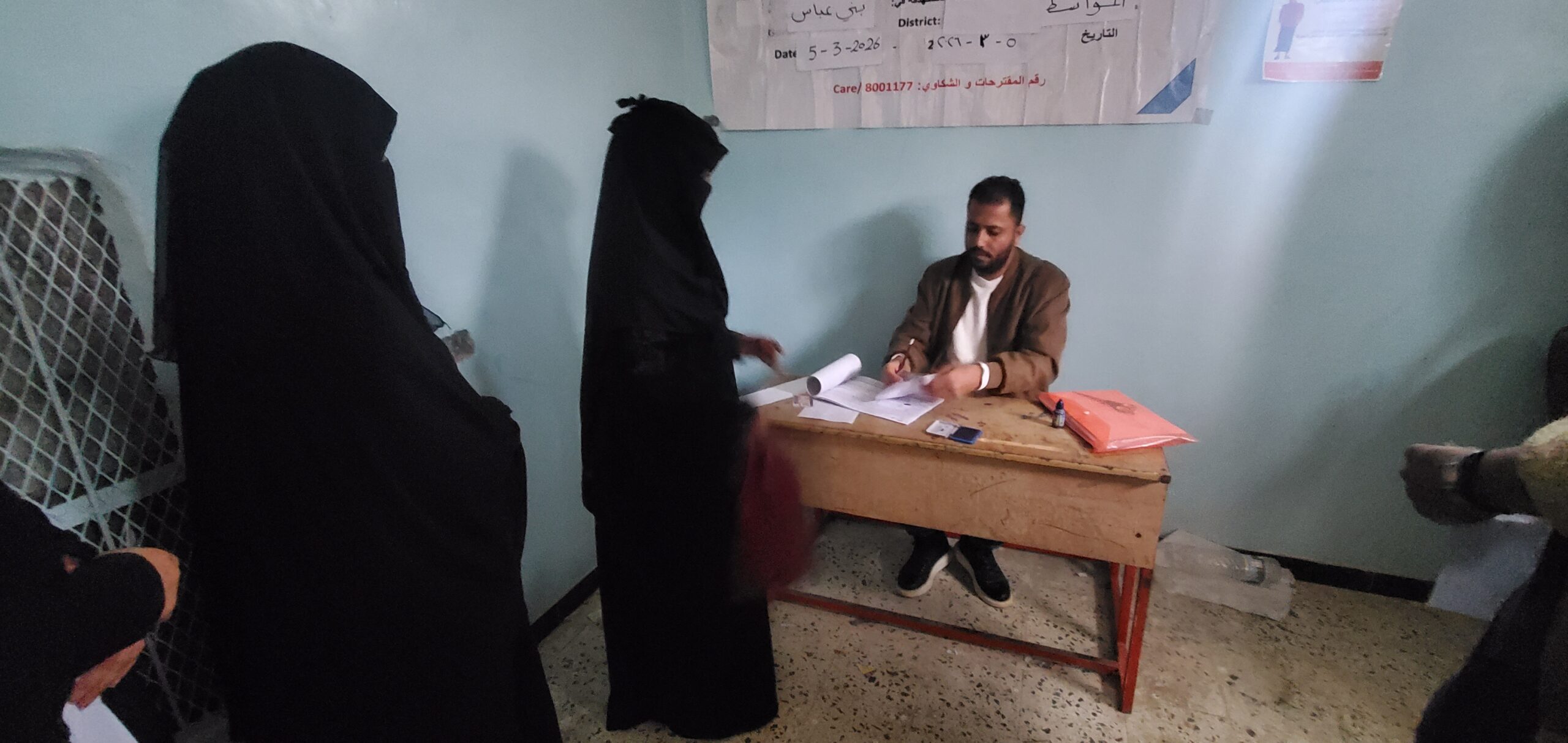
With support from German Federal Foreign Office, CARE conducted unconditional cash transfer (UCT) assistance to 865 recipients in Al-Mawaset and Ash Shamayatayn districts. Sahar’s household was enrolled in the Unconditional Cash Transfer programme over a period of seven months. She received seven monthly cash transfers of approximately USD 90 each. This predictable support allowed the family to gradually stabilize their situation. Projects of this nature play a critical role in helping vulnerable families meet their most urgent priorities with dignity and flexibility.
With the cash she received, Sahar prioritized the purchase of essential food items such as flour, rice, sugar, oil, as well as household necessities that had previously been out of reach. For the first time, the family no longer had to buy food in very small quantities or worry about running out daily.
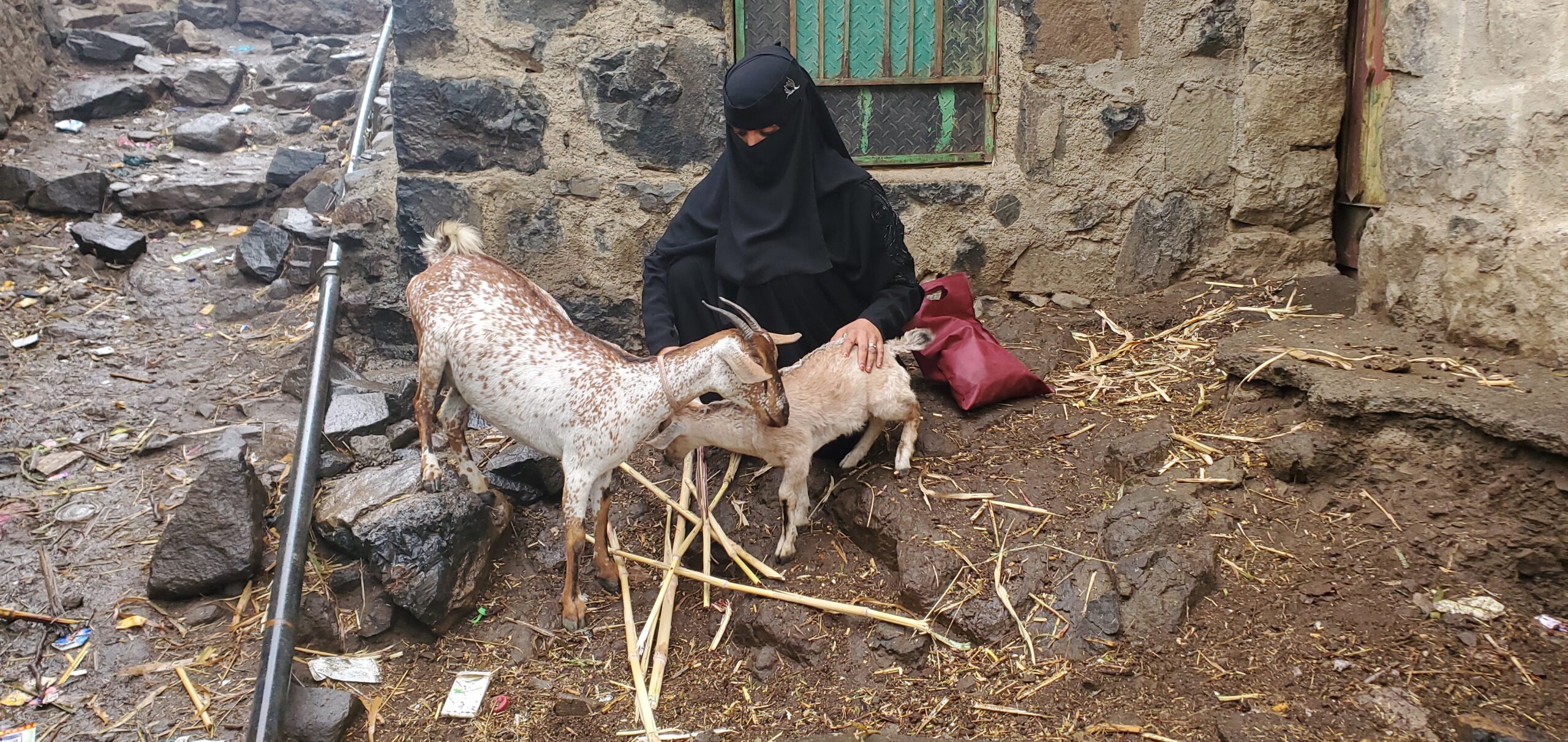
Beyond immediate needs, Sahar purchased a goat and its offspring, creating a small but sustainable source of nutrition through milk for her and her family. “Our situation improved greatly, even our mental well‑being. We no longer argue like before,” Sahar says, highlighting the broader psychosocial benefits of the assistance.