




Access to clean water and safe sanitation is fundamental to a healthy life, no matter where you live. Ten years into the conflict in Yemen, nearly half of the population still requires some form of water, sanitation, and hygiene (WASH) support. Host communities and internally displaced persons (IDPs) face worsening conditions, especially in areas like Tuban and Al Malah districts in Lahj Governorate in southern Yemen.
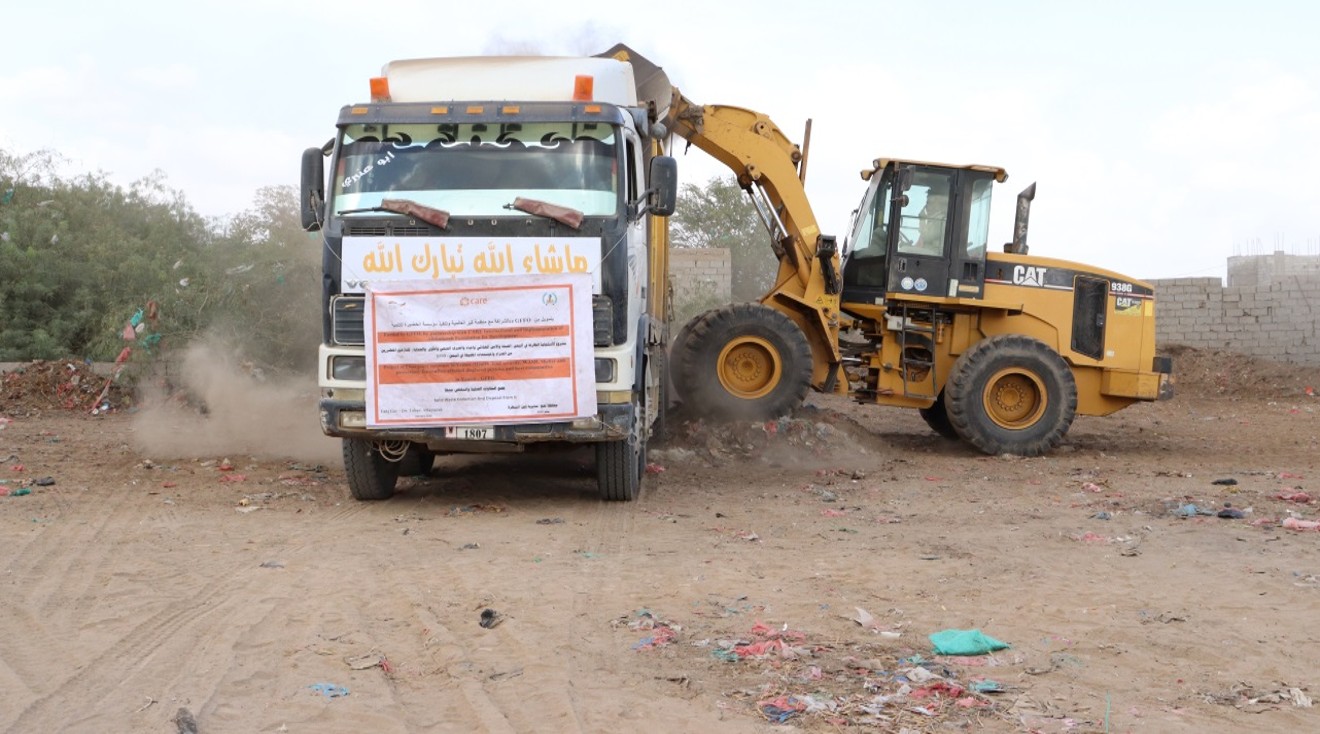
These communities have long suffered from inadequate sanitation infrastructure, posing serious health risks and exposing residents to outbreaks such as cholera. The absence of sewage networks and soak pits forces residents to discharge wastewater into open swamps. Compounding the issue, water is mostly supplied by private trucks, an unreliable, costly and unsafe source.
“The smell of the swamp was unbearable and caused the spread of diseases. I feared for my children’s health,” Mohammed, a resident of Tuban, shares his concern.
His family struggled to find clean water and often had to use unsafe sources for drinking and cooking. They also lacked access to proper sanitation, sometimes resorting to relieving themselves outdoors.
To address these challenges in the districts of Tuban and Al-Malah in Lahij Governorate, activities funded by German Federal Foreign Office (GFFO) were initiated in partnership with CARE and implemented by Al-Khadra Development Foundation. The initiative is part of the broader “Middle East Emergency Response to Syria, Palestine and Yemen” focusing on meeting health, food security, water, sanitation and hygiene (WASH), shelter and protection needs for conflict-affected IDPs and host communities in Yemen.
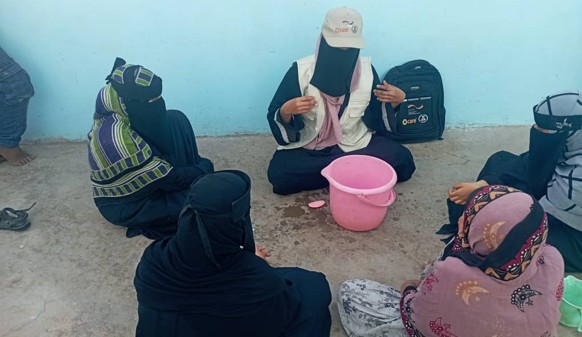
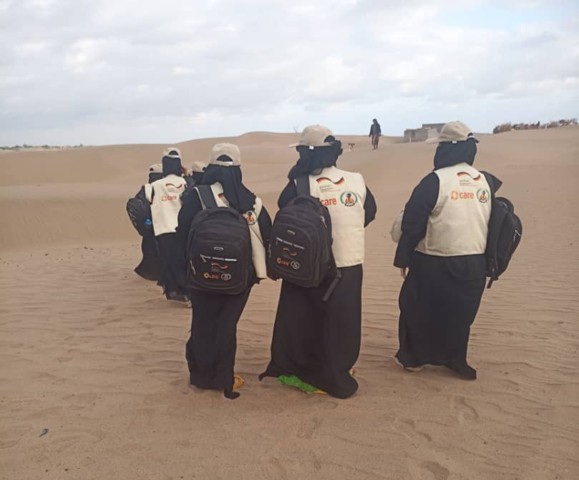
The awareness raising team faced many challenges, including the geographical area targeted, as well as the community’s acceptance of the importance of awareness messages. “Given the vast geographical area of the targeted areas and the difficulty of accessing the kits and implementing awareness raising activities, volunteers from the targeted areas worked to deliver hygiene promotion messages through house-to-house awareness campaigns,” says Samia, project officer.
“This is the first time we’ve received a hygiene kit, which includes soap, towels, and nail clippers. The sessions taught us valuable information and helped my family maintain our hygiene routine,” says Hani, a father of five from Al-Malah, one of the participants who received a hygiene kit and participated in awareness raising sessions.
For Mohammed, a clean and safe environment is essential for the health of his family and community. He emphasized that the awareness raising sessions helped families understand how to use hygiene kits effectively, highlighting the importance of handwashing, personal hygiene, proper water storage, and solid waste disposal. The sessions resulted in significant behavioral changes and reduced sewage swamps in the area.