




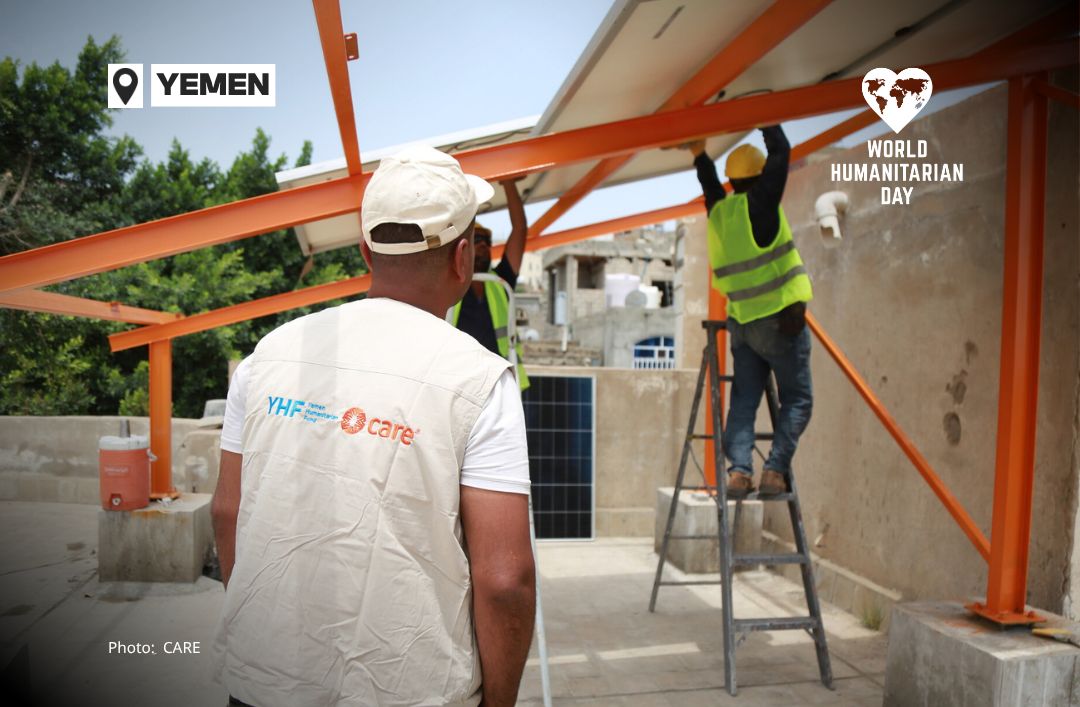
Yemen continues to face recurrent outbreaks of communicable diseases, low vaccination coverage, and a severe shortage of accessible health services, particularly in rural and conflict-affected areas. Just a few months ago, the 26 September Health Centre in Salah district was little more than an empty building. The walls stood, but the service did not. There were no examination beds, no laboratory equipment, no medicines, and no reliable source of electricity. Health workers volunteered their time without incentives, doing what they could with almost nothing.
Read MoreFor women living in remote villages, the absence of nearby health services can mean delayed treatment, unsafe deliveries, and preventable complications for both mothers and newborns. Women living in the rural communities in Taiz Governorate faced a difficult choice whenever complications arose during pregnancy or childbirth: undertake a long and costly journey to a distant hospital or give birth with little access to skilled medical care.
Read MoreAccess to clean water and safe sanitation is fundamental to a healthy life, no matter where you live. Ten years into the conflict in Yemen, nearly half of the population still requires some form of water, sanitation, and hygiene (WASH) support. Host communities and internally displaced persons (IDPs) face worsening conditions, especially in areas like Tuban and Al Malah districts in Lahj Governorate in southern Yemen.
Read MoreCARE works in 7 governorates (Abyan, Aden, Al Dahle, Hadramout, Lahj, Marib, Taiz) across Yemen, providing lifesaving food, cash, livelihoods, water and sanitation services to those in need, including internally displaced people.
We
save lives,
defeat poverty,
achieve social equality,
and fight for women and girls.