
icon icon icon icon icon icon icon

From Sewage-Mired Hazards to Safe Learning Environments in Taiz

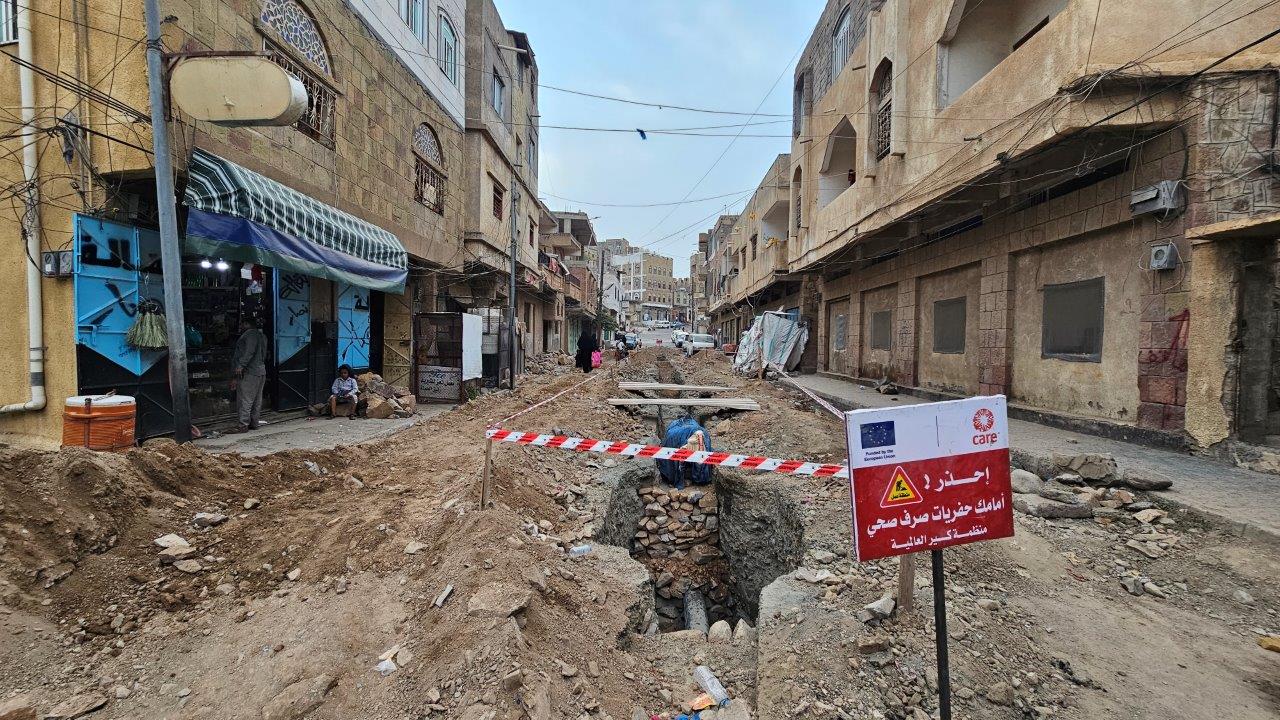
Sewage rehabilitation works to eliminate health risks for community and students. Photo: Mutasim Ali/CARE

Sewage rehabilitation works to eliminate health risks for community and students. Photo: Mutasim Ali/CARE

According to the 2025 Humanitarian Needs and Response Plan (HNRP) for Yemen, approximately 19.5 million people, about half of the country’s population, require humanitarian assistance and protection services. Among these, 15.2 million individuals lack access to basic water, sanitation, and hygiene (WASH) services, underscoring a critical need for sewage and sanitation rehabilitation.

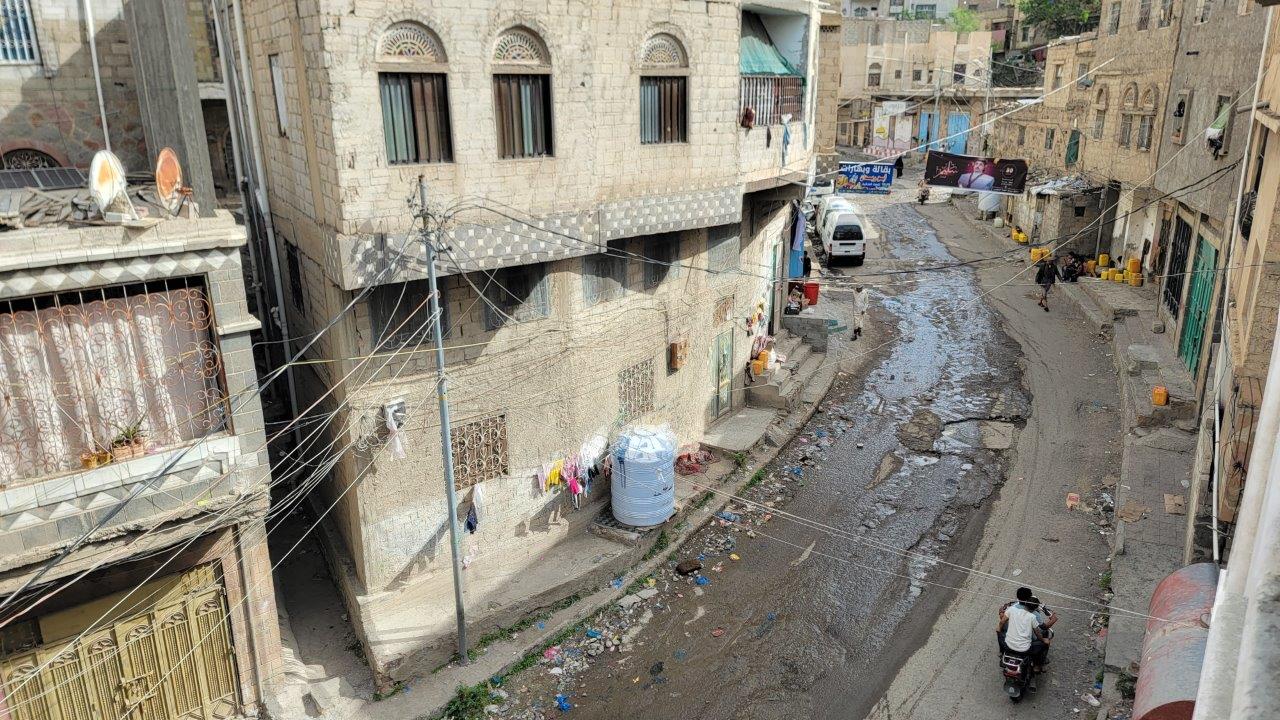
In Sala’a district, Taiz Governorate, Al-Thalaya Primary School faced a dire, yet invisible threat jeopardizing its future generations. A dilapidated sewage line ran straight through the schoolyard, perpetually overflowing and turning the playground into a cesspit. The stench pervaded the classrooms, particularly those adjacent to the schoolyard, with the absence of sufficient hygiene leading to frequent gastrointestinal illnesses that impaired both attendance and concentration.
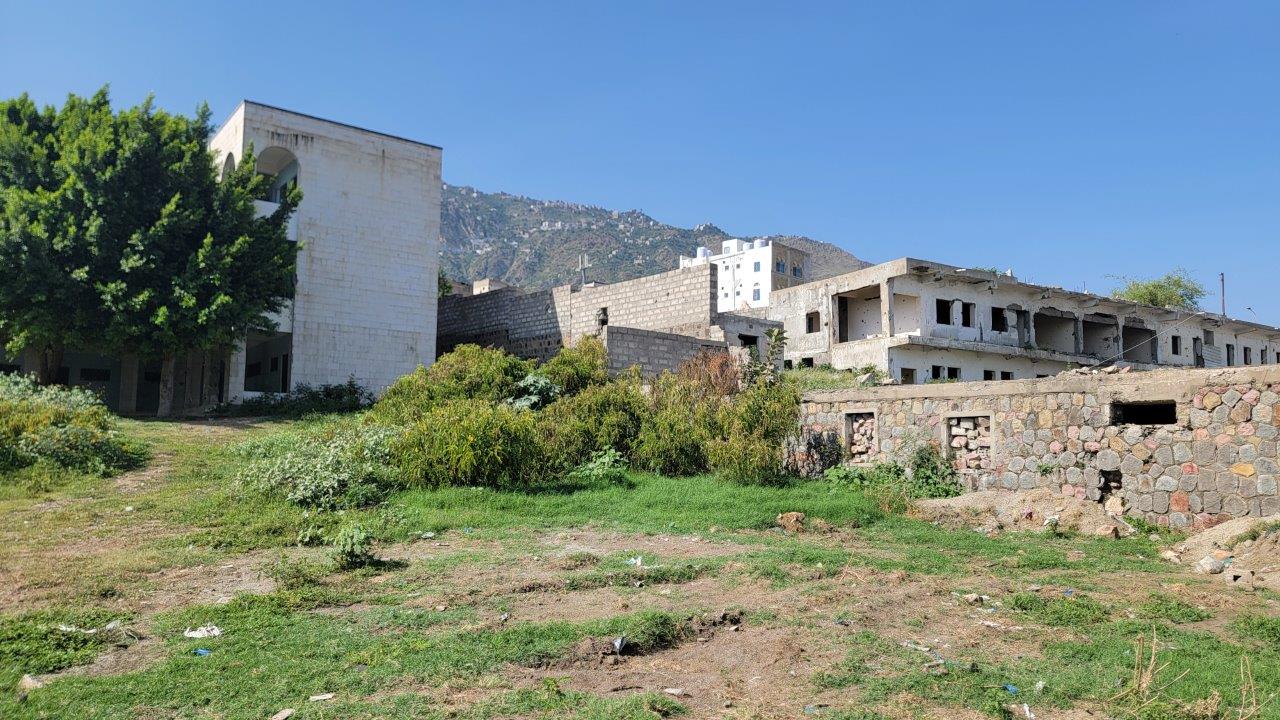
School yard greenery caused by sewage overflow. Photo: Mutasim Ali/CARE

“My feelings were nearly hopeless. We’d hold our breath. We couldn’t focus on lessons with the smell around us,” recalls Ghadir Wahib, a fourth-grade student, recounting the conditions before the project intervention. Her classmates would even sometimes have to miss school due to illness related to the conditions.

The adverse effects extended beyond student health. “The sewage flooding impacted students’ health, causing absences that disrupted daily teaching and reduced class quality,” explains Nadia, a teacher at Al-Thalaya Primary School.

Impassable street forcing residents to wade through the contamination. Photo: Mutasim Ali/CARE

Recognizing the urgency, CARE, with EU humanitarian support, prioritized Al-Thalaya among six critical sites in Taiz. The Ministry of Water and Sanitation was a strategic partner, while the International Committee of the Red Cross (ICRC) contributed pipes and manhole covers for five of the locations to ensure durability and quality.

The result was transformative: 1,314 meters of sewage network were rehabilitated, benefiting over 28,490 individuals across the targeted districts. The once foul-smelling schoolyard, plagued by overflowing sewage, was finally restored to a clean and odor-free space. This change improved the physical environment, and it brought back a sense of safety for the students.

With the playground rehabilitated and the stench gone, classrooms became places of focus rather than discomfort. Students could now engage in lessons without the constant distraction of unpleasant smells or the fear of illness. The difference was palpable in their enthusiasm for learning.

“It’s wonderful. No more bad smells. Now I can focus on my lessons without any disturbance,” says Ghadir expressing her joy.

“We’ve noticed improved concentration because the stench is gone and students are healthier. The school is clean and safe for everyone,” confirms teacher Nadia. Moreover, the intervention enhanced institutional capacity. “Success at Al-Thalaya and the five other sites allowed us to shift from emergency fixes to preventive maintenance, key to reinforcing Local Water and Sanitation Corporation (LWSC) resilience in Taiz,” states Zaid Sultan, Project Manager at (LWSC).

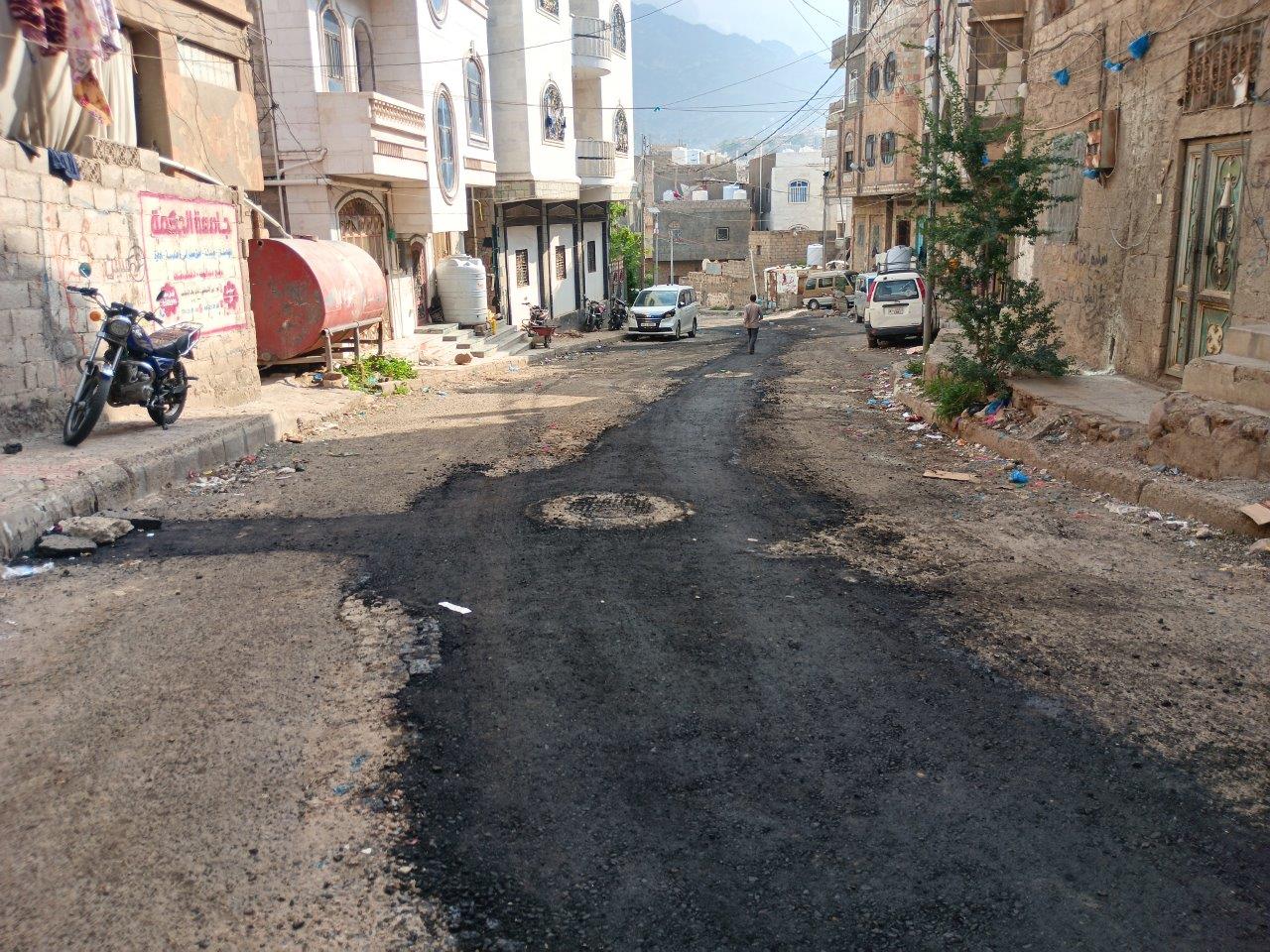
Sewage-free and fully accessible streets after the rehabilitation. Photo: Mutasim Ali/CARE

This intervention has safeguarded education and public health. It has also strengthened local institutional resilience. Yet, countless neighborhoods in Taiz and across Yemen continue to suffer from failing sewage systems. Sustained support made possible through EU’s humanitarian assistance, alongside partnerships with humanitarian partners, remains essential for infrastructure rehabilitation and capacity-building within water and sanitation institutions.

Back to Top