

After more than a decade of conflict, economic decline, and recurring humanitarian shocks, millions of Yemenis continue to struggle to meet their basic needs. According to the 2026 Yemen Humanitarian Needs and Response Plan (HNRP), more than 22 million people require humanitarian assistance and protection services, including nearly 11 million women and girls. Food insecurity remains one of the most urgent challenges, with 18.3 million people in need of food security and agriculture support, underscoring the scale of hardship facing families across the country.
For women in particular, limited livelihood opportunities, rising living costs, and unemployment often leave families with few ways to cope. Yet, when women gain access to skills, resources, and economic opportunities, they can become powerful drivers of resilience and recovery for their households and communities.
In a rented apartment in Dar Saad District, Aden, Manar*, a mother of two in her 30s, understands these challenges all too well. Despite holding a bachelor’s degree, she struggled for years to secure stable employment. Her husband worked as a daily wage laborer, but the family’s income was often insufficient to cover essential expenses.
“I always dreamed of having my own business that would give me financial independence and help me support my family, but the lack of experience and capital stood in the way of achieving that dream,” says Manar.
With funding from the UK Foreign, Commonwealth & Development Office (FCDO), her situation changed when she was selected to participate in the Women’s Rights Organizations project in Yemen, implemented by Jana Foundation for Development in partnership with CARE Yemen.
The project aims to strengthen women-led initiatives and expand economic opportunities for women facing social and financial barriers. Through the programme, 30 women received training in entrepreneurship, marketing, and business management, followed by grants of the equivalent of US$300 to help them launch or expand income-generating activities.
“I was very excited from the first day. I felt this was a real opportunity to change my life,” Manar recalls. “I learned valuable skills in business management and marketing, and I met ambitious women who inspired me and shared their experiences.”
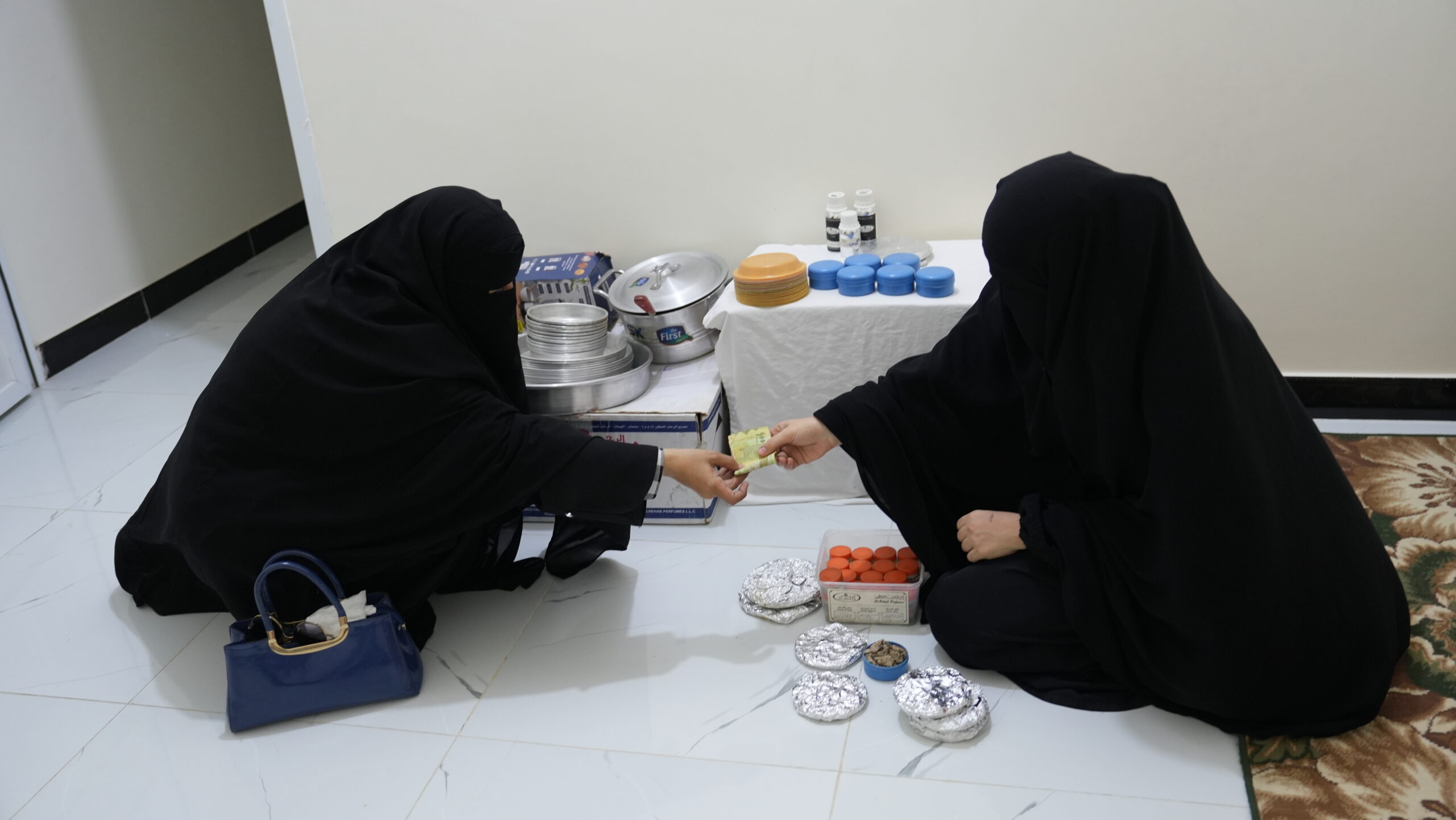
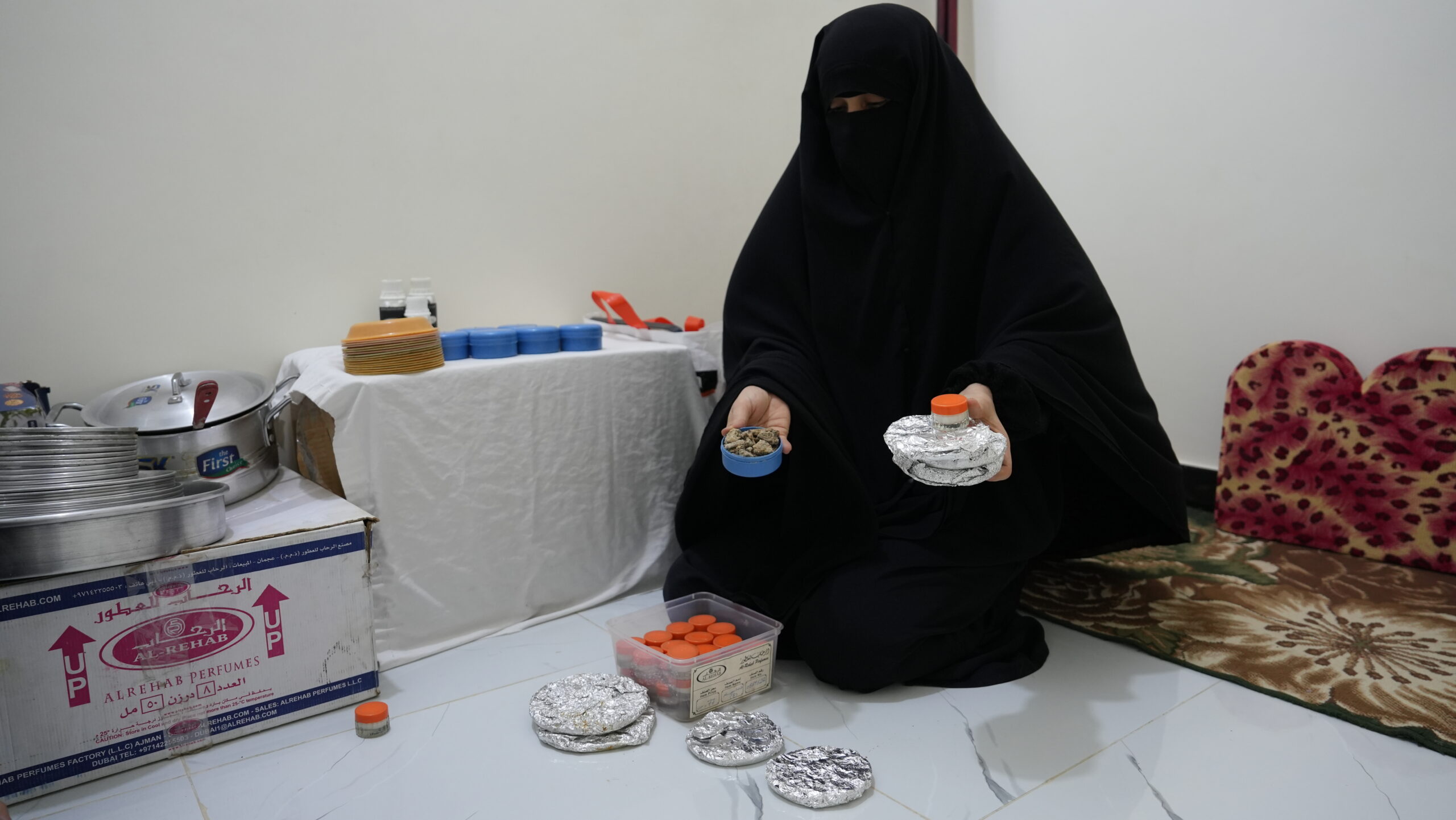
Following the training, Manar used the grant to establish a small perfume and incense-making business, turning a long-standing passion into a source of income. Working from home, she began producing and selling her products to relatives, neighbors, and local customers.