




In Ahdah village, part of Dhubhan sub‑district in Al‑Shamayateen District, Taiz Governorate, families have long relied on traditional agriculture and daily labor to survive. Years of conflict, economic collapse, and irregular rainfall have increasingly undermined these livelihood options, leaving households struggling to meet their basic food needs.
According to Yemen’s Humanitarian Needs Response Plan (HNRP) 2026, 18.3 million, 52 per cent of the population in Yemen are food insecure, of whom 28.6 per cent are children. Food insecurity remains one of the most critical challenges facing rural communities, where rising food prices, fragile incomes, and reduced agricultural productivity continue to push families toward negative coping strategies. For women‑headed households in particular, sustaining a dignified livelihood has become an everyday struggle.
For Lila, a 50‑year‑old mother of five, this reality was deeply personal. She lives with her family in Ahdah village. Her husband, a government employee, has not received a salary for a long period and works away from home. With five children aged between 10 and 24, one of whom lives with a physical disability, Lila shoulders the responsibility of securing food, healthcare, and education for her family.
Like many families in the area, she kept livestock and cultivated staple crops such as sorghum and millet during the rainy season. Despite her hard work, the income generated was barely enough to meet daily needs. “Only God knows how difficult our life has been,” Lila says quietly. “Some days, we work all day, and the return is very small.”
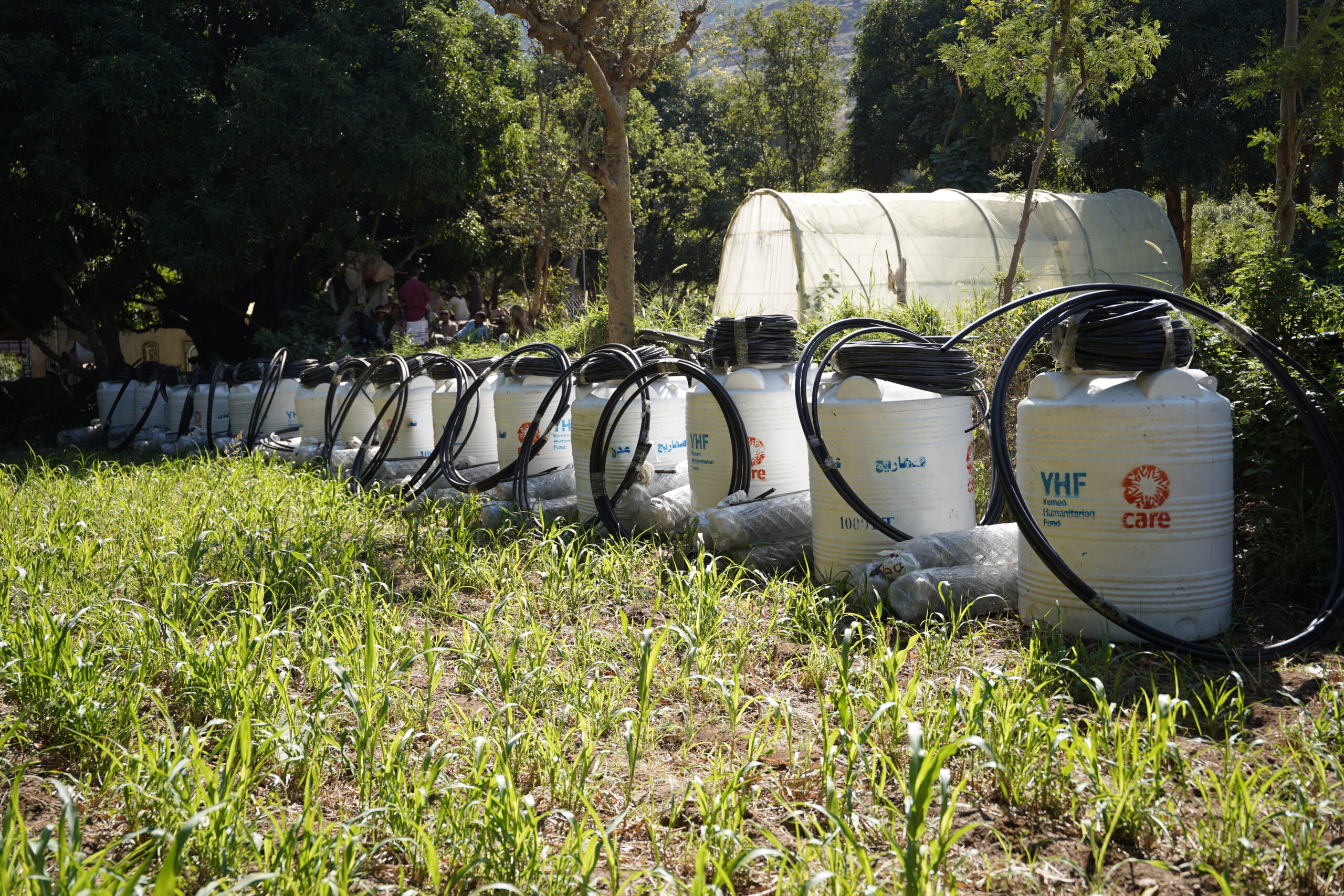
With funding from the Yemen Humanitarian Fund (YHF), CARE implemented Life‑Saving Emergency Livelihood Assistance for Conflict‑Affected and Vulnerable Populations in Al‑Shamayateen District project. Recognizing her vulnerability and determination, community committee members nominated Lila for this project.
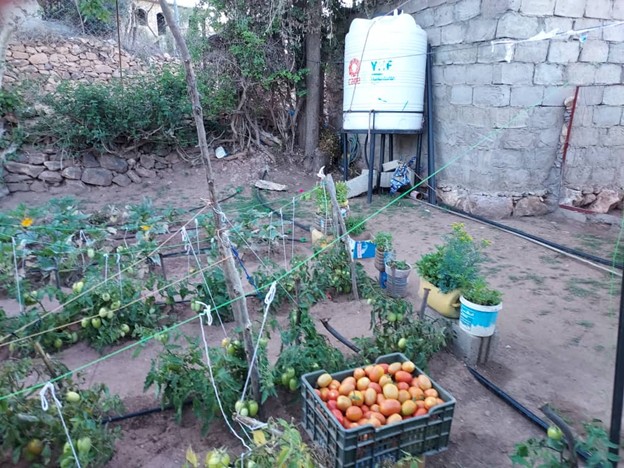
CARE supported 293 households across Dhubhan sub‑district with a comprehensive Food Security and Livelihoods package designed to strengthen food access and self‑reliance. Beneficiaries received training on modern, climate‑appropriate farming techniques, vegetable seeds, including zucchini, tomatoes, and chili, complete drip irrigation systems and three rounds of cash assistance to support household stability during the production cycle
For Lila, it was the first time she had been introduced to structured, sustainable agricultural practices.
“Before the project, our farming was random and exhausting,” Lila explains. “We didn’t know how to prepare compost, test seeds, or manage irrigation properly. The yield was always low.”
Through hands‑on training led by CARE agricultural staff, Lila learned how to prepare safe organic compost that improves soil quality, selecting and testing seeds to ensure strong germination, use of drip irrigation to save water while increasing productivity and pest control using natural, environmentally friendly methods
“These practices changed everything,” she says. “For the first time, we felt that our effort was worth it.”
Today, Lila’s home garden produces fresh vegetables every few days. Every three days, she harvests two to three crates of zucchini or tomatoes, some of which she sells locally while keeping enough to feed her children.