




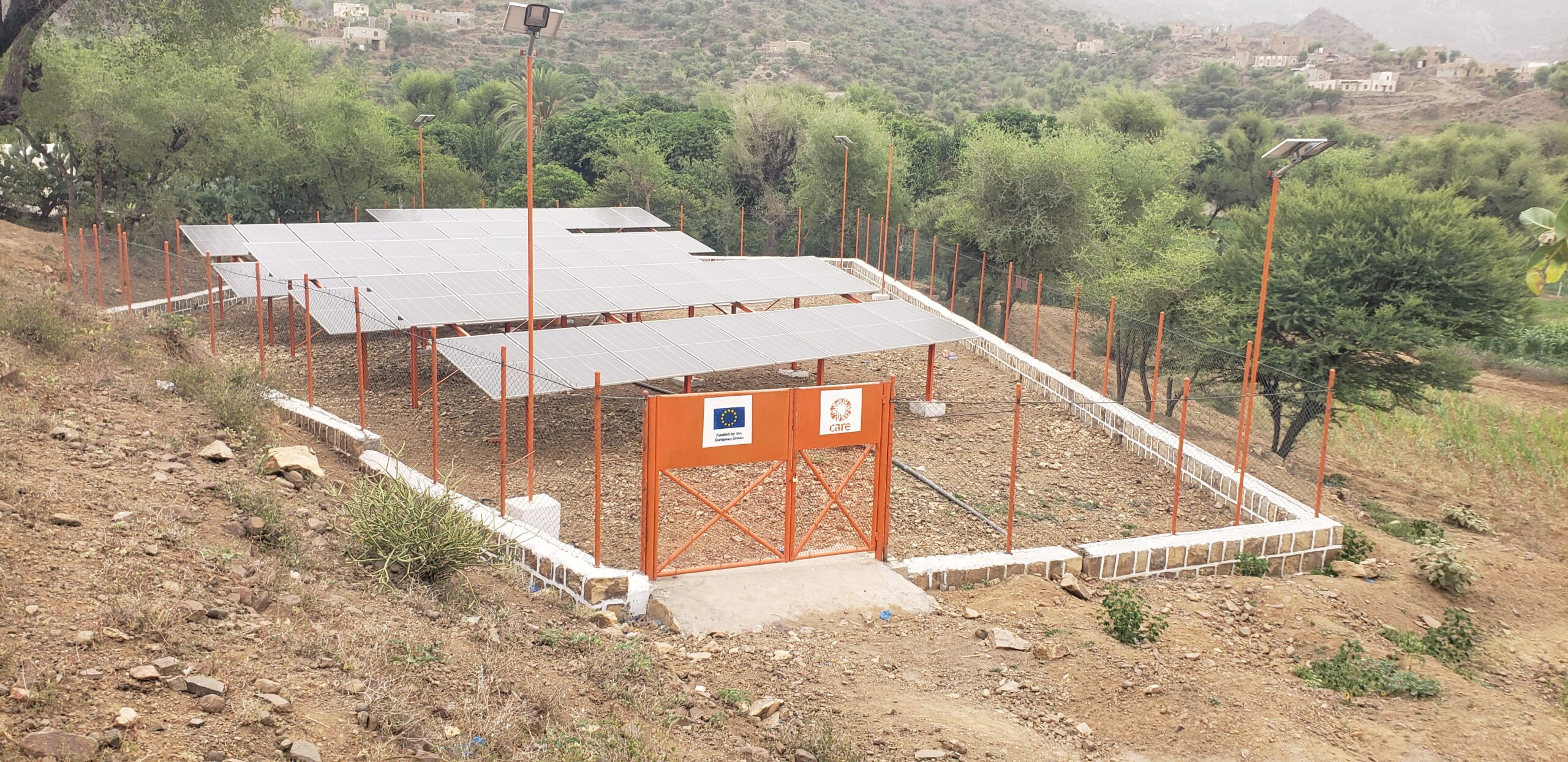
Yemen remains one of the world’s most water-scarce and crisis-affected countries in 2025. After more than a decade of conflict, economic collapse, and climate shocks, 12.2 million people urgently require access to safe water, sanitation, and hygiene (WASH) services. The lack of clean water has fueled outbreaks of cholera and other waterborne diseases, especially among children and displaced families. Without immediate and sustained investment in WASH systems, the health, and survival of millions remain at risk.
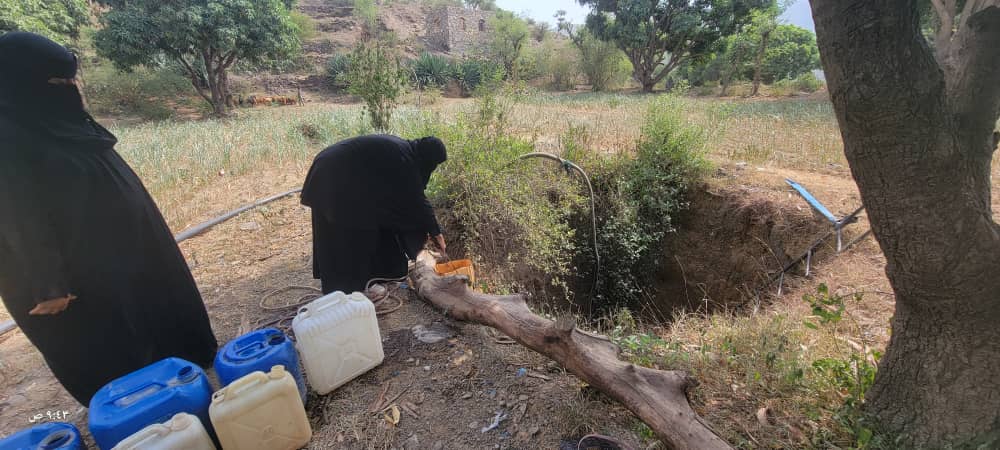
In Taiz Governorate, the water crisis is particularly severe. Years of conflict have fragmented institutions and destroyed infrastructure, leaving many communities without functioning water networks. In rural areas, families, especially women and children, must walk for hours to reach water sources, often queuing for long periods with empty jerry cans under the scorching sun. Residents rely on expensive water trucking or unsafe wells. The burden of water collection has led to school dropouts and physical injuries, particularly among girls and elderly individuals.
For decades, the residents of Anbouh, a remote area in Taiz Governorate, southwestern Yemen, endured hardship due to the lack of clean water. The absence of safe drinking water and sanitation facilities led to deteriorating health conditions, disrupted education, and increased burdens on women and children. Every morning, girls and women would walk long distances to fetch water from valleys and scarce sources, carrying heavy containers on their backs or heads, or using donkeys to transport water for their families.