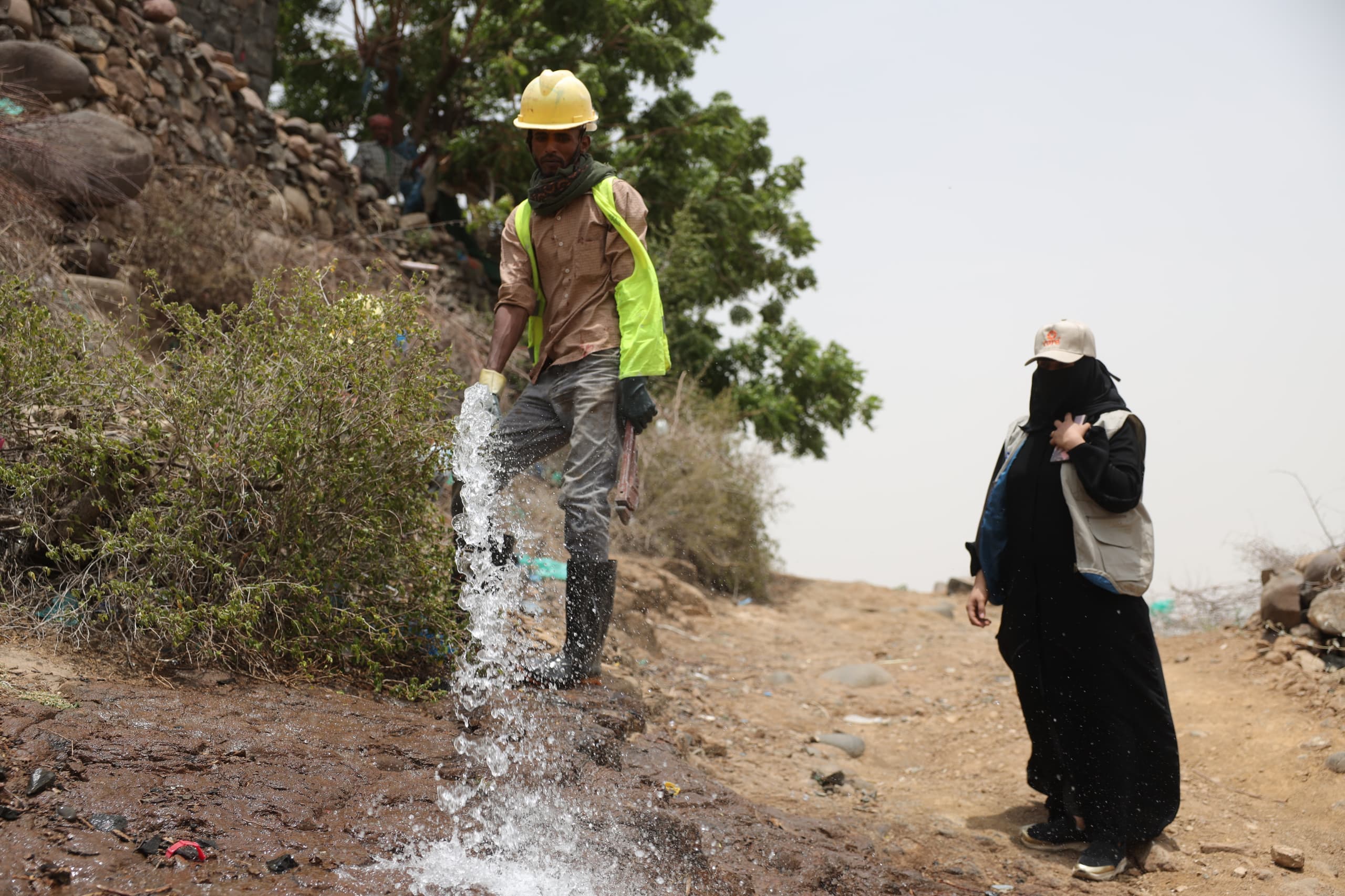
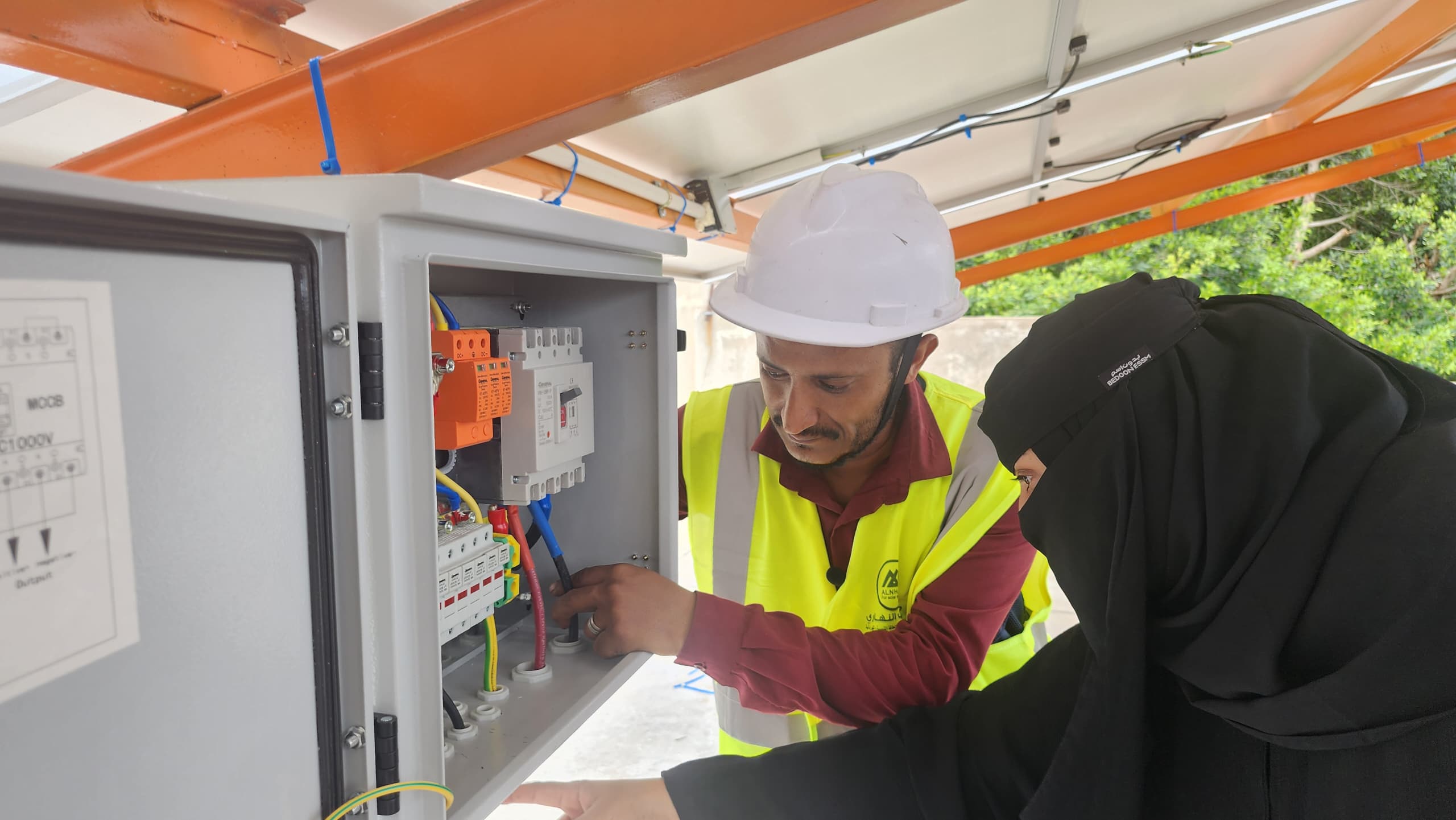
Working as a female engineer in Yemen comes with unique challenges. Bushra often travels to sites where cultural norms make it uncommon for women to lead construction teams or interact closely with male laborers. She must navigate these sensitivities with tact, professionalism, and respect. Yet, her presence has helped communities gradually accept and appreciate women’s roles in technical and leadership positions.
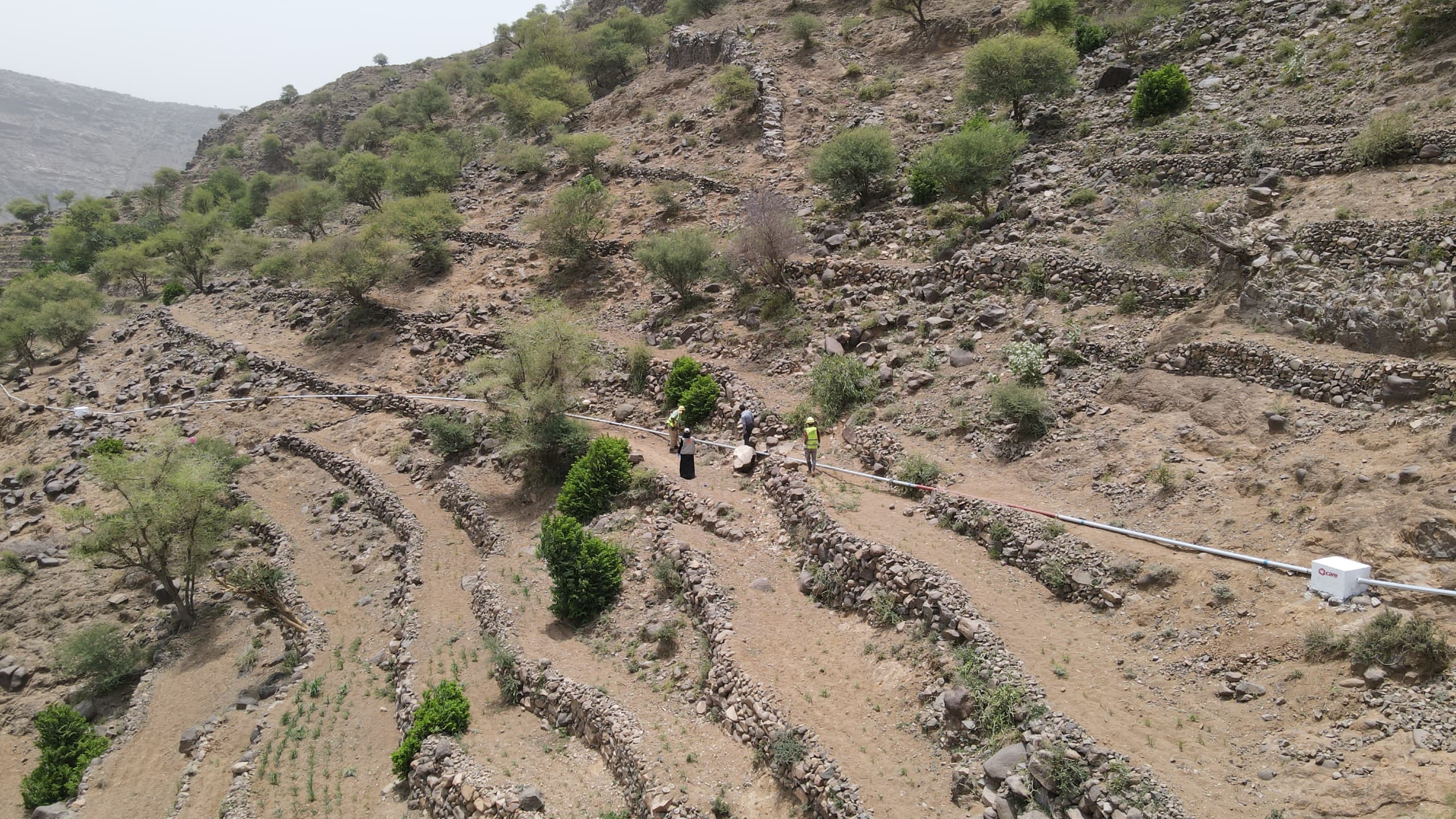
In fact, Bushra’s gender gives her a special advantage: she understands the perspectives of women and girls who are most affected by water scarcity. In many Yemeni villages, it is the women who walk long distances to fetch water, often from unsafe sources. Bushra’s work ensures that these same women now have access to clean, safe water near their homes, reducing their burdens and improving their health and dignity.
“I feel proud when I see the results of our collective efforts turning into tangible outcomes that improve people’s lives,” Bushra says.
Her pride is shared by the communities she serves, especially the mothers who now have more time for their children and the girls who can attend school instead of spending hours fetching water.
Bushra stands as a role model for other young Yemeni women who dream of contributing to their country’s development, showing that determination and education can overcome even the strongest social barriers.
Her journey is also a reminder to all humanitarian actors that empowering women in the workforce, especially in rural and technical fields, is not just about equality. It’s about effectiveness, empathy, and sustainability.