






In Ghayl Bawazir, Hadhramout Governorate, Salah Saeed, a father of six, born with a physical disability that causes him to limp, has spent his life navigating hardship. His condition made earning a living nearly impossible, leaving his family vulnerable to poverty and hunger. “I was created like this,” Salah says. “Every step is pain for me.”
Salah’s struggle is part of a much larger crisis. According to the 2025 Humanitarian Needs Overview, 19.5 million people in Yemen need humanitarian assistance, and 17.1 million face acute food insecurity. Individuals like Salah, who live with a disability, are among the most affected people, often excluded from opportunities and services.
For years, Salah’s family lived on borrowed food and charity. His disability limited his mobility and job prospects, deepening the cycle of poverty.
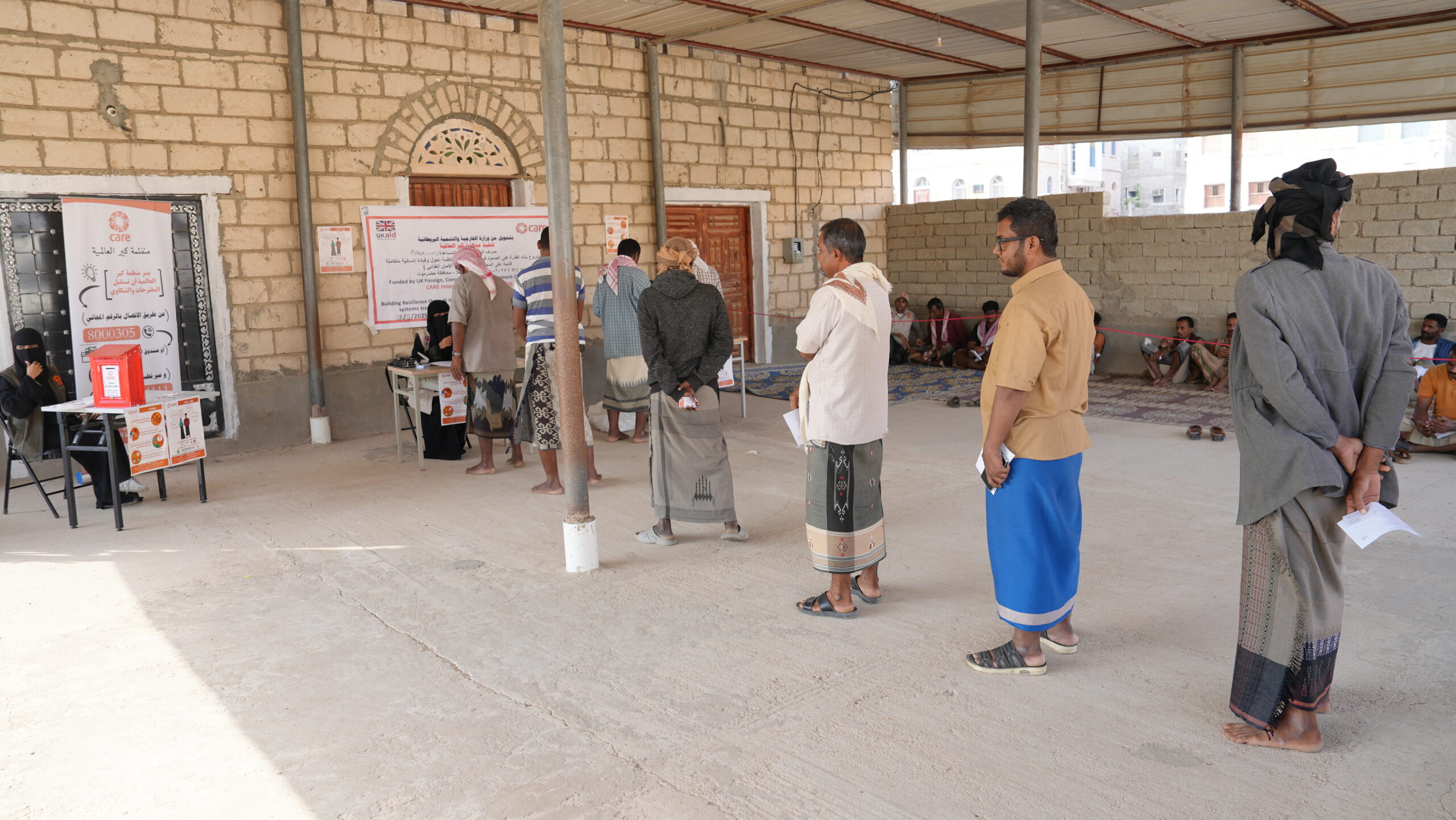
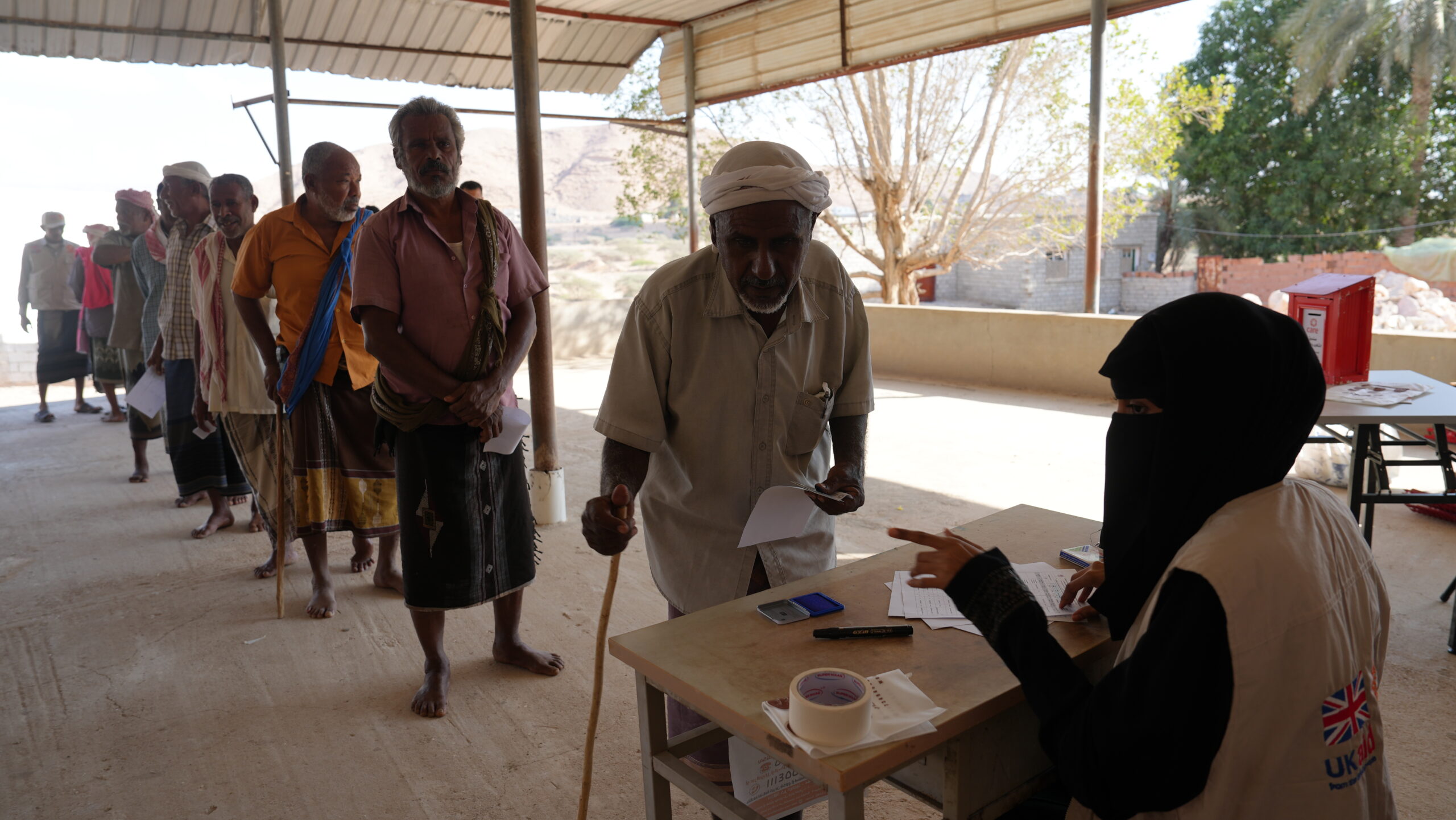
With funding from UK’s Foreign, Commonwealth & Development Office, CARE implemented the Building Resilience through Integrated Community-based and Humanitarian Systems Transformation and Leadership in Yemen project, and distributed unconditional cash assistance over a six-month period. This assistance was more than financial aid, it was a lifeline. “When I held that first payment, I felt dignity return. I was a provider again,” Salah says. “I bought food, rice, oil and lentils to provide daily meals for my children, so they no longer sleep hungry.”
The cash transfers allowed Salah to prioritize his family’s needs: food security, education, and basic household improvements.
Unconditional cash assistance empowers families to make choices that fit their realities. For people with disabilities, it removes barriers tied to mobility and stigma. Salah could buy from the shop, supporting community markets and restoring his sense of independence.
In Yemen’s fragile economy, cash-based interventions are cost-effective and flexible. They uphold dignity while addressing urgent needs, especially for vulnerable people like Salah.
His journey shows that the right support can transform lives. “Even if I limp when going about, I’m able to feed my family and send my children to school–and that’s what really counts for me.”
For Yemen’s most vulnerable, including those living with disabilities, cash assistance is a dignified pathway to building resilience and a better future.
Despite success stories like Salah’s, Yemen’s humanitarian crisis remains severe. Of the 19.5 million people in need, only about 10.5 million are targeted for assistance in 2026. Funding gaps threaten life-saving programs, leaving millions at risk of hunger and disease. It is therefore critical to ensure families in need of assistance are supported in order to enable them to alleviate their dependence on aid.